


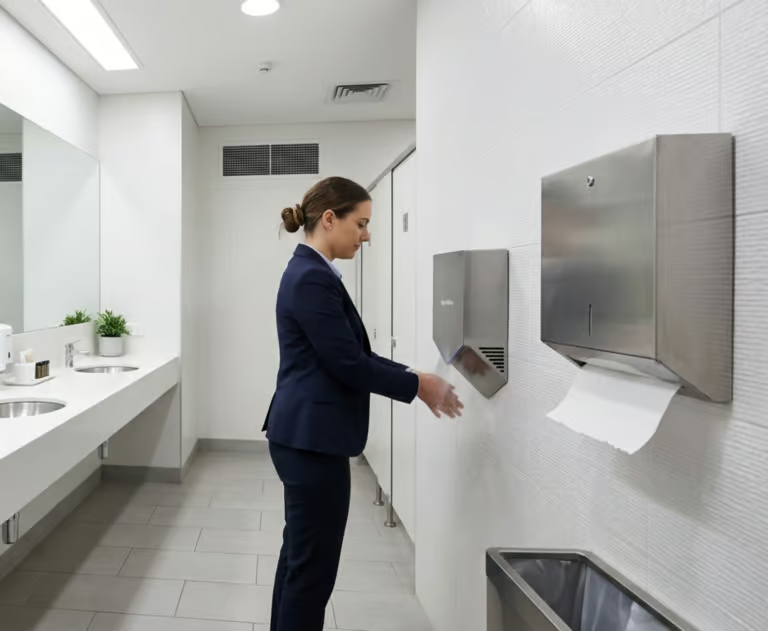
Hand drying is not just a finishing step. Germs transfer more easily from wet hands, so thorough drying is essential for effective hygiene. Recently, this everyday choice has become part of a wider debate. Some large organisations have removed paper hand towel from bathrooms in favour of electric hand dryers, often citing sustainability and waste reduction goals. However, this shift has also raised questions about hygiene, safety, and whether environmental decisions may introduce unintended health trade-offs in high traffic environments.
In workplaces and public bathrooms, the two primary options are single-use paper hand towels and electric hand dryers. Both can support good hand hygiene, but each comes with different operations, environmental and safety considerations.
Paper Towels (Hygiene First)
Paper towels remove moisture quickly and add friction, which can help physically remove remaining bacteria from the skin. A 2010 study conducted by the University of Westminster found that paper towels removed up to 77 percent of bacteria remaining after washing. When paired with no-touch no touch dispensers, they also reduce contact points and help control usage.
The World Health Organisation recommends single-use paper towels as part of hand hygiene strategy in healthcare settings. For this reason, paper towels are often preferred in environments where hygiene is critical, such as healthcare, food preparation areas, schools, and high-traffic facilities.
From a sustainability perspective, paper towels do generate waste after use. However, their overall environmental impact varies significantly depending on fibre source and dispenser efficiency. Recycled-content towels reduce demand on virgin materials and lower manufacturing footprint, particularly when combined with controlled-dispensing systems that minimise overuse. For many organisations, responsibly sourced paper options form part of a broader sustainability strategy.
Electric Hand Dryers (Waste Reduction)
Electric hand dryers remove the need for ongoing paper purchasing, deliveries and bin emptying. Life cycle assessments have shown that high-speed dryers can have a lower environmental impact than paper towels in certain conditions, particularly where electricity is sourced from low-emission grids and dryers are energy efficient.
However, hygiene considerations remain part of the discussion. A 2018 study published in the Journal of Hospital Infection reported lower contamination levels with paper towels compared to jet air dryers in controlled comparisons. Research has also shown that some high speed dryers can disperse droplets and aerosols into the surrounding air, which may increase environmental contamination in enclosed bathroom spaces.
Drying time and noise can also influence user behaviour. If drying takes longer, users may leave with damp hands, which can compromise hygiene outcomes.
Making the Right Choice for Your Workplace
The hand drying debate highlights an important workplace reality: sustainability decisions should not be made in isolation from health and wellbeing.
For environments where safety and infection control are paramount, paper towels remain a reliable and widely accepted solution. Where waste reduction is the primary driver, efficient dryers may support environmental targets, provided hygiene risks are carefully considered.
Ultimately, the right choice depends on your workplace priorities, risk profile and sustainability objectives.