

Women’s wellbeing at work isn’t just about flexible work hours or a yearly wellbeing campaign. It’s about creating professional and education environments where women feel physically comfortable, mentally supported, and socially included every day. When organisations make small but meaningful changes, they help reduce stress, improve belonging, and support women’s whole-person wellness.
Why Women’s Wellbeing at Work Matters
The reality is that Australian women are 1.5 times more likely to experience anxiety and depression than men. In 2024, women also made up 42% of workers’ compensation claims, and were significantly more likely to file claims for mental health conditions and musculoskeletal issues.
Supporting women in the workplace means acknowledging the whole person: physical health needs like menstruation and ergonomics, mental wellbeing requiring genuine check-ins, and the invisible load that disproportionately affects working women.
Physical Wellbeing: Creating Comfort and Dignity
Build spaces that support comfort
A practical first step is making the physical environment work better for women. That means ergonomic chairs, adjustable desks, good lighting, and layouts that reduce strain throughout the day. Small adjustments matter more than many leaders realise, particularly for women who spend long hours at a desk or move between teaching, administration, care, or front-of-house roles.
Dedicated break spaces are just as important. A calm staffroom or break area gives people somewhere to step away from constant alerts, conversations, and responsibilities. The idea of staffrooms as centres of wellbeing shows how thoughtfully designed shared spaces can encourage proper rest, connection, and restoration rather than just becoming another place to work through lunch.
Period positivity belongs in every workplace
A 2025 Queensland study found that, before workplaces provided free period products, 94.7% of menstruating workers had experienced menstruation at work without access to products, leading to mental distress. Additionally, 71.4% worried about lacking products when needed, and 38.1% believed this worry decreased their focus and mental wellbeing. After just two months of providing free period products, 94.1% reported improved emotions, 70.6% perceived improved concentration, and 64.7% felt improved mental wellbeing.
The business case is pretty compelling. Australian businesses lose approximately $14 billion in productivity each year due to period-related work disruptions. It’s a loss that could be largely prevented with proper support. For approximately $20 per menstruating employee annually, organisations can provide free period products in bathrooms alongside toilet paper and soap.
Period positivity is a simple but powerful part of inclusive workplace health. When period products are available in bathrooms, women do not have to worry about running out, asking around, or leaving work to handle a basic personal need. That sense of dignity matters, and it helps make workplaces feel more respectful and practical for everyone.
Mental Wellbeing: Beyond Surface-Level Support
Mental health check-ins make a difference
Mental health support for women at work should be normalised, not reserved for crisis point. Research shows that only 37% of Australian managers feel adequately prepared to support team members experiencing psychological distress. It’s a significant vulnerability when women report higher rates of anxiety and work-related stress.
Regular check-ins, realistic workloads, and leaders who ask how staff are actually coping can make a real difference in day-to-day wellbeing. Women are often expected to appear composed even when balancing competing demands, so supportive check-ins create room for honesty and early intervention.
A strong wellbeing culture also makes space for different life stages and pressures, from study and early career years to fertility concerns, pregnancy, caring responsibilities, and menopause. More broadly, health and wellbeing in the workplace is a useful reminder that wellbeing improves when organisations treat it as part of workplace design, not just a personal responsibility. Women should not have to “push through” every challenge alone.
Addressing the invisible load
Women often carry a greater share of the “invisible load” at home and at work, which can include planning, caregiving, emotional labour, and mental tracking of everyone else’s needs. That pressure can build quietly over time, especially when workplaces expect women to keep giving without making room for recovery.
Supporting women in the workplace means looking at how this load is distributed. Leaders can rotate administrative and care-based tasks, avoid defaulting to women for note-taking or emotional management, and make hidden labour visible in team conversations. If a workplace culture relies on women to quietly absorb the extra work, it is not truly supporting women’s wellbeing. Shared responsibility is a wellbeing strategy.
In schools, offices, and community settings alike, the message is the same: women do their best work when they are not running on empty.
Social Wellbeing: Creating Cultures of Support

Normalising conversations
Silence around women’s health creates stigma, and stigma creates suffering. When periods, pregnancy loss, menopause, fertility challenges, and mental health struggles remain unspoken, women navigate these experiences alone while worrying about professional consequences.
Creating cultures where these conversations happen naturally starts with leadership. When senior women (and men) speak openly about accommodating health needs, seeking support, and prioritising wellbeing, they give permission for others to do the same. This doesn’t mean oversharing; it’s just treating women’s health as normal rather than shameful.
Peer support networks
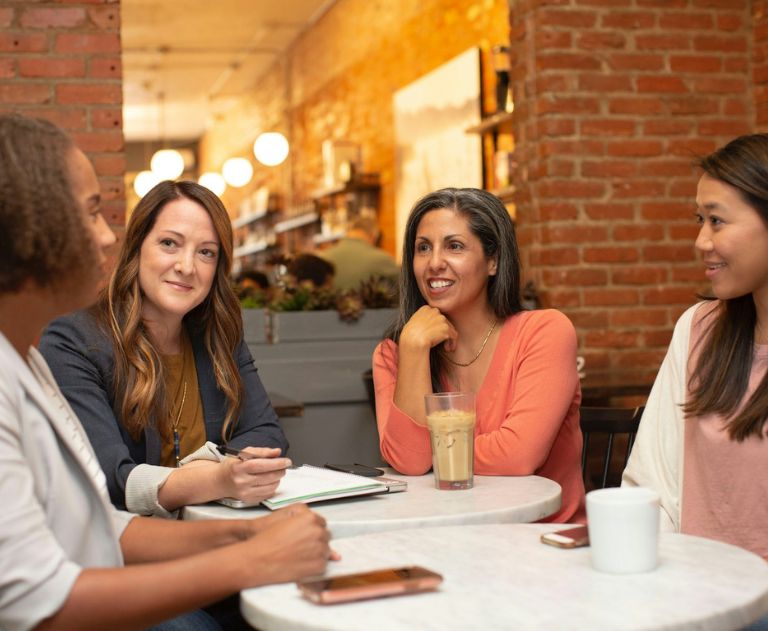
Whether a formal employee resource group or informal mentoring circles, women’s support networks provide invaluable social wellbeing benefits. These spaces allow women to share experiences, strategies, and support without the power dynamics of manager-employee relationships.
For schools, this might mean staff networks where female teachers support each other through the unique challenges of educating while managing their own wellbeing. For workplaces, it could be cross-departmental groups that provide mentorship, skill-sharing, and advocacy for systemic changes.
Practical Implementation: Where to Start
Supporting women’s wellbeing doesn’t require massive budgets. It just requires commitment. Start with these practical steps:
- Audit Your Basics: Do bathrooms have free period products and proper disposal? Are chairs ergonomically sound? Is there private space for health needs?
- Train Your Leaders: Equip managers with mental health literacy and skills to support diverse wellbeing needs without awkwardness or avoidance.
- Create Policy with Input: Don’t guess what women need; ask them. Survey staff about wellbeing priorities and co-create policies that address real needs.
- Measure and Iterate: Track absenteeism, retention, engagement, and health-related workplace claims by gender. Use data to refine approaches.
- Make It Visible: Communicate wellbeing initiatives clearly so women know support exists and how to access it without stigma.
The Whole-Person Approach
Women’s wellbeing at work isn’t about isolated initiatives, but about recognising that when organisations genuinely support women’s physical, mental, and social health, they create workplaces where everyone can thrive.
This means acknowledging that women experience work differently due to biological, social, and systemic factors. It means investing in bathroom supplies that include period products as standard. It means choosing office furniture that accommodates diverse bodies and health needs. It means building cultures where women’s health isn’t whispered about but openly supported.
Most importantly, it means putting women first well beyond International Women’s Day or during Workplace Gender Equality reporting periods. Because when workplaces actively support women’s wellbeing, they’re building healthier, more productive, more innovative organisations where talent thrives regardless of gender.