

In an average Australian classroom of 24 students, eight children can’t read well enough for their age. That’s one in three students struggling with literacy, a statistic that should concern every educator across the country. Yet within this challenge lies a huge opportunity.
As we approach International Children’s Book Day on 2 April and World Book Day on 23 April, it’s a good time to reflect on why these celebrations matter. The importance of reading extends far beyond classroom assessments. It shapes how children think, empathise, connect with others, and navigate the world around them.
For teachers working tirelessly to build strong foundations in early childhood education, understanding the multifaceted benefits of reading can transform how we approach literacy development in classrooms. From brain development to social skills, the evidence is clear: reading is one of the most powerful tools we have to support student learning outcomes.
The Reading Crisis in Australian Classrooms
Let’s start with where we are. According to Australia Reads, 44% of Australians have low or very low literacy. That staggering figure begins in childhood. Children aged 6-17 who read for pleasure has gone from 37% in 2010 to just 28% in recent years, with reading enjoyment decreasing as children get older.
Here’s an interesting fact: reading is four times more influential on intellectual progress in teens than having a parent with a degree. This means that what happens in classrooms, including the reading culture we create, the books we champion, the time we dedicate to literacy, matters enormously.
The good news? The research on reading benefits for children consistently shows that when we get it right, the impacts are profound and lasting.
How Reading Shapes Developing Brains
Researchers using magnetic resonance imaging found that when young children are read to, extra activity lights up the parts of the brain associated with visualisation and creativity. Reading quite literally shapes how children’s brains develop.
According to the Australian Institute of Health and Welfare, reading regularly with children from a young age stimulates patterns of brain development and strengthens relationships. This, in turn, builds language, literacy, and social-emotional skills that become the foundation for all future learning.
The timing matters, too. Children whose parents read to them daily at ages 2-3 have significantly higher Year 3 NAPLAN reading scores than children read to less frequently. Even more remarkably, reading to children aged 3-5 six to seven days per week has the same developmental effect as being almost 12 months older.
Think about that for a moment. Daily reading can give young learners nearly a year’s developmental advantage before they even start school.
Reading's Ripple Effects: Beyond Literacy Skills
While building strong literacy skills is reading’s most obvious benefit, the importance of reading extends into surprising territory. Here are some research-backed findings that highlight reading’s broader impact:
Emotional Intelligence and Wellbeing
A recent study found that children who read for enjoyment experience brain structure changes and demonstrate increased capacity for learning and positive mental health. Australians who read regularly report higher self-esteem, feel less lonely, and are 58% more likely to empathise with others.
Academic Success Across Subjects
When students develop strong literacy foundations through regular reading, benefits flow into every learning area. Students who read proficiently comprehend instructions better, engage more deeply with content, and develop the critical thinking skills that underpin success in mathematics, science, and the humanities.
Social Skills and Perspective-Taking
Reading fiction helps children develop Theory of Mind, the ability to understand that others have different thoughts, feelings, and perspectives. This foundational social skill makes navigation of friendships, conflict resolution, and collaborative learning more successful.
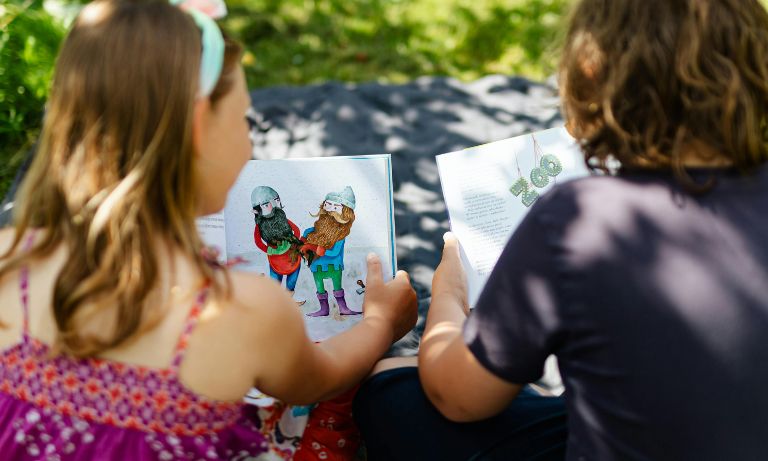
Here’s an encouraging fact for teachers: 86% of children aged 6-17 love having books read aloud at home or like it a lot, with the main reason being that it creates special time with parents. This same principle applies in classrooms. When teachers create warm, engaging read-aloud experiences, students associate reading with positive emotions and connection.
Creating Classroom Cultures That Celebrate Reading
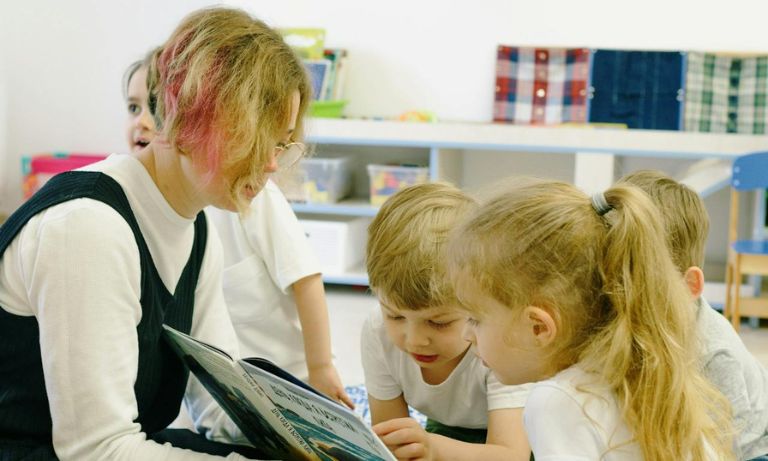
Given what we know about the importance of reading, how do we translate research into daily practice? The key lies in making reading both accessible and appealing.
Choice Matters
Here’s a statistic that should influence your classroom library organisation: 89% of children say their favourite books are the ones they’ve picked out themselves. When we give students the freedom to make their own choices, engagement soars. Create browsing time, book talks where students can recommend favourites to peers, and ensure your classroom library represents diverse interests, reading levels, and cultural backgrounds. Invest in book boxes and storage solutions to keep your classroom library organised and accessible and consider book covers and protectors to extend the life of well-loved titles.
Read-Aloud Remains Essential
Don’t assume that once students can read independently, read-aloud time becomes less valuable. Reading to children continues to support vocabulary development, model fluent reading, introduce complex texts students might not tackle independently, and create shared literary experiences that build classroom community. Create an inviting reading corner with comfortable classroom seating that makes story time a special, engaging experience for all students.
Make Time Sacred
In an increasingly busy curriculum, protecting time for independent reading can feel challenging. Yet research suggests that regular reading for pleasure produces measurable gains in literacy skills, academic performance, wellbeing, and social cognition. Consider it an investment, not a luxury.
Address the Gender Gap
Girls read more than boys, with 77% reading for pleasure compared to 68% of boys. Ensure your classroom library includes high-interest books that appeal to reluctant readers. Think graphic novels, non-fiction about topics like sports or technology, humour, and adventure. Don’t assume boys need “boy books”; instead, talk about books as appealing to “readers who enjoy…” particular genres or themes.
Supporting Literacy Development at Home

Teachers can’t do it alone. Building bridges between classroom and home reading practices amplifies impact. Educators can encourage parents to nurture reading habits at home by:
- Sending home book recommendations tailored to individual student interests.
- Establishing book-lending programmes with simple checkout systems.
- Sharing tips for cultivating healthy reading habits with families.
- Highlighting that reading together creates connection, not just literacy skills.
When families understand reading as quality time that benefits everyone, participation often increases.
The Long View: Reading and Lifelong Success
The reading landscape in Australia faces genuine challenges. Reading for pleasure is declining. Screen time competes for attention. Achievement gaps persist. Yet every teacher who prioritises literacy development, creates an inviting classroom library, protects time for reading, and models enthusiasm for books contributes to turning the tide.
By maintaining this momentum as children progress through school, supporting reading for pleasure alongside reading for learning, and partnering with families to create reading-rich environments both at school and at home, we can ensure more Australian students develop the literacy skills that underpin all future success.
The importance of reading isn’t just about academic achievement. It’s about giving every child the tools to imagine, to empathise, to question, and to dream. In your classroom library, within those daily read-alouds, through the books students discover and love, you’re shaping not just readers, but thinkers, citizens, and the next generation of Australians. Whether you’re stocking your classroom with essential education supplies or simply making time each day to share a story, every effort counts.