

Take a look around your office. Chances are, there are disposable coffee cups on desks, plastic pens in drawers, and takeaway containers or packaging that were only used for a few minutes before being discarded in the bin. Small everyday items like these quietly add up, creating a steady stream of waste that often goes unnoticed.
While many Australian businesses are making progress towards sustainability, office waste remains a significant challenge. According to Australia’s National Waste Report, the country generates more than 75 million tonnes of waste each year, with plastics continuing to be one of the most problematic waste streams. From packaging and office supplies to lunchroom waste and shipping materials, workplaces contribute more to the problem than many realise.
Building a plastic-free workplace doesn’t require a complete office transformation. In fact, some of the most effective changes are also the simplest. By replacing everyday disposable items with reusable alternatives and choosing products made from recycled or renewable materials, businesses can significantly reduce office waste, lower purchasing costs, and create a more environmentally responsible culture.
Why Creating a Plastic Free Workplace Matters
Many businesses focus on recycling as their primary environmental initiative, but the most effective strategy is reducing waste before it is created. Every disposable item that enters the workplace has an environmental footprint long before it reaches a bin. Plastic products require fossil fuels to manufacture, consume energy during transportation, and can remain in the environment for hundreds of years after disposal.
Australian consumers and employees are increasingly prioritising sustainability and expect organisations to demonstrate genuine environmental responsibility. Research from Monash University’s Australian Consumer and Retail Studies (ACRS) found that 51% of Australian shoppers consider sustainability an important factor in their purchasing decisions, while 96% engage in at least one sustainable behaviour, such as reducing waste or using reusable products.
A survey by Capterra Australia found that 61% of Australian consumers say a company’s sustainability practices influence their purchasing decisions, while RMIT Online’s Towards a Green-Skilled Workforce report found that 72% of Australian businesses consider sustainability a higher priority than it was five years ago.
By reducing plastic waste and adopting more sustainable practices, organisations can strengthen their brand reputation, support employee engagement, and create a workplace culture that people are proud to be part of.
Here are some simple product swaps and waste-reduction tips:
1. Swap Traditional Paper for Recycled Paper
Paper remains one of the most heavily used resources in Australian workplaces. Although digital technology has reduced paper consumption in many industries, offices still print contracts, reports, invoices, training materials, and marketing documents every day.
According to the ACT Government’s No Waste Paper and Cardboard Factsheet, the average office worker uses around 10,000 sheets of paper each year, making recycled paper one of the simplest and most effective ways for organisations to reduce their environmental footprint.
Switching to recycled paper is one of the easiest ways to reduce environmental impact without compromising quality or performance. New Future Opti A3 Copy Paper is FSC® certified, features a recyclable and plastic-free wrapper, and is manufactured in ISO-certified facilities. Suitable for all office printers and copiers, it offers a practical, sustainable alternative for everyday printing.
2. Switch to Refillable & Recycled Pens
Disposable pens are a surprisingly large contributor to plastic waste in office environments, as they are often discarded once the ink runs out or the pen breaks. A more sustainable and practical alternative is to shift toward refillable pens, where only the ink cartridge is replaced instead of the entire pen.
Alongside refillable options, many workplaces are now choosing pens made from recycled materials. For example, the A+PLUS Go Green Easyclick Retractable Ballpoint Pen is made from approximately 80% recycled plastic bottles, while the Pentel R50 Rollerball Pen contains around 77% recycled material. These products help reduce reliance on virgin plastics and support a more circular approach to office supplies.
The Heapsgood Ecopen Ballpoint, which uses 89% less plastic than traditional pens and is made from recycled kraft paper. It is also compostable and recyclable, filled with non-toxic, water-based ink, and packaged in a reusable linen pouch that eliminates single-use plastic packaging.
To support this transition, organisations can provide sustainable pens as part of employee onboarding kits and phase out single-use plastic pens from procurement policies. This shift also reinforces a broader cultural move away from disposable thinking toward longer-lasting, more responsible consumption habits.
3. Upgrade to Recycled Office Supplies
Beyond paper and pens, many everyday office items such as folders, binders, staplers, storage solutions, notebooks, and desktop accessories and more are made from virgin plastic and frequently replaced, contributing to unnecessary waste.
For storage and organisation, products like the Italplast GreenR A4 Desk Cabinet (made from 98.8% recycled content) and Marbig Sort-N-Stor Storage Organiser, offer practical, long-lasting solutions while reducing reliance on new plastics.
Desktop accessories such as paper trays, pen holders, and magazine holders can also be replaced with sustainable options. The Pukka Planet Cork range (made using FSC-certified recycled board and renewable cork) show how everyday desk items can be both functional and eco-friendly.
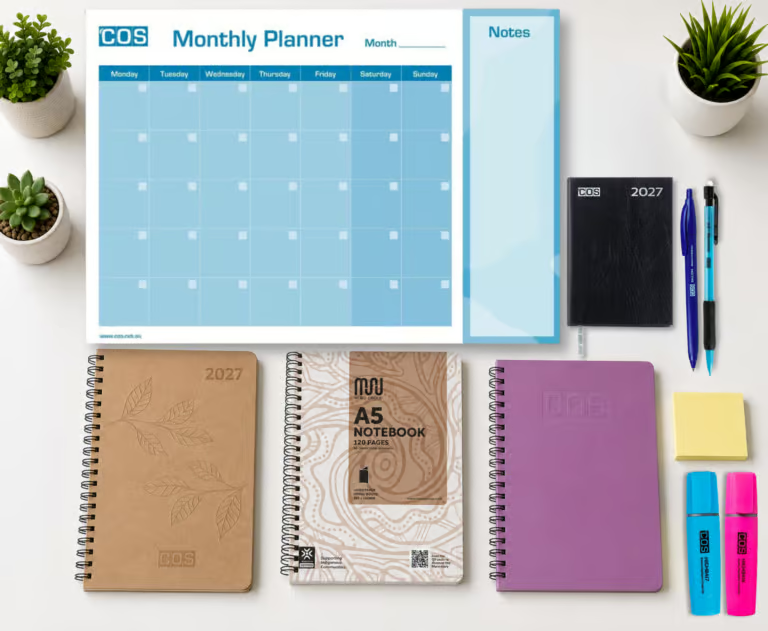
Even small stationery items such as staplers, sticky notes, and scissors can be switched to recycled-content or reusable alternatives to reduce ongoing consumption. Notebooks also offer an easy win, with options like the COS Recycled Notebook, Muru Hardcover Notebook, and Pukka Pad recycled ranges delivering the same quality with lower environmental impact.
4. Mailroom & Packaging Supplies:
Choosing sustainable packaging is an important step toward reducing environmental impact and supporting a more responsible way of doing business. It helps minimise plastic waste, encourages the use of recycled and renewable materials, and supports compostable and recyclable end-of-life solutions.
Mailrooms and packaging activities often generate significant but overlooked plastic waste, particularly from bubble wrap, plastic tape, and single-use packaging materials. A more sustainable approach is to replace these with recycled paper padding, wallet envelopes, and paper-based packing tape.
Businesses can also introduce reusable shipping boxes for internal logistics, reduce excess packaging through supplier partnerships, and choose recyclable or compostable ecomailers wherever possible. These changes help reduce waste across both sending and receiving processes, significantly lowering the environmental footprint of day-to-day logistics.
For protective wrapping, options like biodegradable Stretch Wrap offer a more responsible alternative. It can be recycled or disposed of in general waste, and when sent to landfill, it biodegrades significantly faster than conventional plastic wrap.
5. Create a Reusable Lunch Culture
One of the biggest sources of workplace waste often comes from lunch breaks. Disposable takeaway containers, plastic cutlery, food packaging, and drink containers quickly accumulate, particularly in larger offices.
Encouraging employees to switch to reusable alternatives can make a meaningful difference. Practical options such as bamboo lunch boxes provide a convenient and durable way to store meals while eliminating the need for single-use containers.
Using reusable drink bottles, coffee cups, and stainless-steel cutlery sets including forks, spoons, and eco-friendly straws, these simple swaps can prevent hundreds of disposable items from ending up in landfill each year.
6. Plastic-Free Bathroom Essentials
Washrooms are another overlooked source of plastic waste, mainly due to single-use soap bottles, cleaning product containers, and packaged paper goods.
A practical solution is to install refillable soap and sanitiser dispensers, which significantly reduce plastic bottle waste. Designed to reduce reliance on single-use plastic bottles, Soap2o systems use reusable dispensers and concentrated refills, helping workplaces cut waste, lower their environmental impact, and maintain high hygiene standards.
Eco-friendly cleaning supplies can be purchased in bulk with refill systems instead of individual plastic containers. Even toilet paper rolls and paper towels now offer reduced or plastic-free packaging options. These small adjustments, when implemented consistently, can greatly reduce the amount of plastic entering daily office operations.
7. Centralised Recycling Stations
Effective waste management plays a key role in reducing plastic pollution within the workplace. Setting up clearly labelled recycling stations helps employees separate waste correctly and ensures recyclable materials are not lost to landfill. These stations should include bins for paper, plastics, and general waste, placed in accessible areas such as kitchens, print rooms, and common spaces.
Additional systems like e-waste collection points and compost bins can further enhance sustainability efforts. Clear signage and ongoing employee education are essential to ensure proper usage and minimise contamination, making recycling systems more effective overall.
8. Smart, Sustainable First Aid Solutions
Modern first aid solutions are designed to be practical, compliant and easy to manage. From strategically placed first aid kits and refill programs to durable, reusable components and environmentally responsible packaging, these innovations help workplaces stay prepared for emergencies while reducing waste.
Whether you operate an office, warehouse, school, healthcare facility or industrial site, smart and sustainable first aid solutions provide peace of mind. Investing in reliable, environmentally conscious first aid products helps ensure your team is prepared for unexpected incidents while supporting a safer, healthier and more sustainable future for all.
9. Celebrate Sustainably
Make workplace celebrations more environmentally friendly by choosing eco-conscious decorations and party supplies. Instead of single-use plastic banners, steamers, and buntings, opt for reusable or recyclable alternatives. Opt for brands like Pukka Party to reduce waste while creating a festive and engaging atmosphere.