

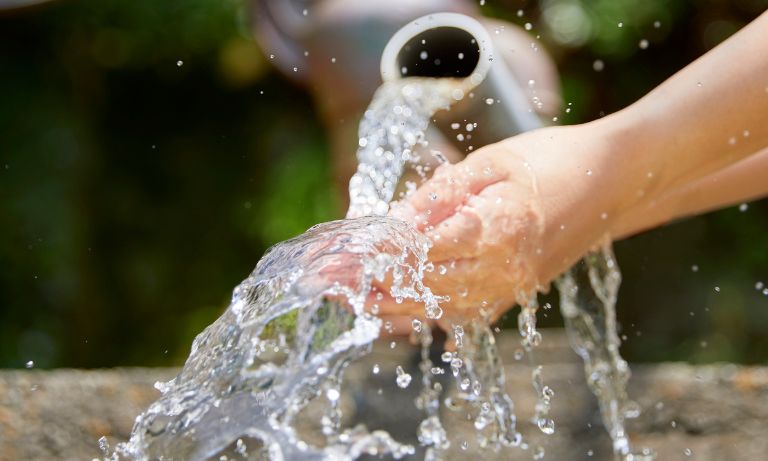
World Water Day on 22 March is a timely reminder that water is not simply a utility, but a shared global resource that underpins health, productivity and opportunity. This year’s theme, Water and Gender, with the tagline “Where water flows, equality grows”, highlights that water is not just an environmental issue but a matter of equality and opportunity.
The World Water Day theme reminds us that in many parts of the world, collecting water is the responsibility of women and girls. When water is scarce or unsafe, education and economic participation suffer. Supporting global water equity starts with local action and conscious resource management.
For Australian organisations, the message is clear. Enforcing strategies to reduce water consumption is not only a practical sustainability effort, but also part of broader environmental responsibility and social equity. By embracing workplace water conservation as a core sustainability strategy, businesses can support resilient communities, reduce operating costs, and strengthen their eco-friendly business practices.
Why Water Conservation Matters in Australian Workplaces
Australia is the driest inhabited continent on earth, and water scarcity remains a long-term challenge. According to the Australian Bureau of Statistics, national water consumption by industries and households increased by 12.9% to 17,223 gigalitres in 2023-24, up from 15,258 gigalitres in 2022-23. While agriculture accounts for the largest share of water use, workplaces across all sectors have an important role to play in reducing consumption.
The good news? Small changes in workplace water practices can lead to substantial savings. Whether you’re managing an office building, running a manufacturing facility, or operating an educational institution, implementing water conservation strategies is both environmentally responsible and financially beneficial.
Start with a Water Audit
Before implementing any changes, it’s essential to understand your current water usage. Conduct a comprehensive water audit to identify where, when, and how water is being used in your workplace. This baseline assessment will help you pinpoint the biggest opportunities for improvement.
Smart water monitoring systems can provide real-time data on water consumption patterns, making it easier to identify leaks, unusual spikes in usage, or inefficient practices. These systems can alert facility managers to problems before they become costly, helping prevent water waste at the source.
Upgrade Your Bathroom Fixtures
Bathrooms typically account for the largest share of water use in office buildings. According to SA Water, an older full-flush toilet uses about 11 litres per flush compared to a dual-flush toilet which can reduce each full flush to 4.5 litres and each half-flush to 3 litres. In a workplace with 100 daily users, this upgrade could save thousands of litres annually.
Installing dual-flush toilet systems is one of the simplest and most effective water-saving measures. Toilet water use represents at least 25% of indoor water use in cities and towns, making bathroom fixtures a primary target for conservation efforts. Dual-flush systems allow users to select the appropriate flush volume (typically 3 litres for a half-flush and 6 litres for a full flush), significantly reducing overall consumption compared to older single-flush toilets that use 9 to 11 litres per flush.
Consider going even further with waterless urinals. According to the Australian Government’s Water Efficiency Labelling and Standards (WELS) scheme, upgrading to water-efficient fixtures can deliver significant savings. The WELS scheme has saved over 1,800 gigalitres of water since 2005, demonstrating the substantial impact of fixture upgrades across Australian buildings. Waterless urinals use a trap system with liquid sealant to capture waste and prevent odours, eliminating the need for flushing altogether.
Optimise Kitchen and Break Room Practices
Workplace kitchens are another significant source of water consumption. Small behavioural changes combined with efficient appliances can make a substantial difference.
Install faucet aerators on all taps. Low-flow taps or flow-controlled aerators can reduce tap water use from a standard 15-18 litres per minute down to as little as 2 litres per minute, creating a more efficient spray without compromising functionality.
When it comes to dishwashers, ensure you’re using energy-efficient models with high WELS ratings. The WELS scheme estimates savings of 209 gigalitres and $1.6 billion on utility bills in 2025 alone across Australia through water-efficient product choices. Equally important is ensuring dishwashers are only run when full, a practice that saves both water and energy.
Encourage employees to use reusable water bottles and coffee cups. Installing water refill stations with filtered dispensers supports this initiative while reducing reliance on single-use plastics. This aligns with broader sustainability goals.
Educate and Engage Your Team

Technology and infrastructure improvements will only take you so far. Creating a workplace culture that values water conservation is essential for long-term success.
Place clear signage near water stations reminding staff of simple actions like turning off taps while soaping hands. According to the ACT Government, a dripping tap can waste more than 2,000 litres of water per month, that’s 24,000 litres per year. Even seemingly minor leaks add up quickly, making awareness and prompt action essential.
Develop comprehensive training programmes that educate employees about the importance of water conservation and specific actions they can take. Make conservation part of performance reviews, particularly for line managers. Consider establishing an office-wide initiative or competition to encourage participation, with recognition for departments or individuals who contribute significantly to water-saving goals.
Share regular progress reports on water usage and conservation achievements. This transparency maintains momentum and demonstrates the tangible impact of collective efforts. When employees understand how their actions contribute to broader sustainability objectives, they’re more likely to remain engaged.
Rethink Outdoor Water Use
For workplaces with landscaped grounds, outdoor irrigation often represents a significant portion of total water consumption. Sydney Water notes that businesses are responsible for around 25% of all water used in Greater Sydney, with outdoor water use being a major component. Native plants adapted to Australian conditions require significantly less water than traditional exotic species.
Consider replacing lawn areas with drought-resistant native plants that thrive in Australian conditions with minimal watering. Organise your landscape into hydro zones, areas grouped by similar water requirements, to prevent overwatering some plants whilst underwatering others.
Install smart irrigation controllers that automatically adjust watering schedules based on weather conditions, soil moisture levels, and seasonal requirements. These systems prevent unnecessary watering during rainy periods and ensure water is only applied when genuinely needed.
Water landscapes in the early morning to minimise evaporation loss. Installing rain sensors ensures irrigation systems turn off automatically when rain takes over watering duties. Even better, harvest rainwater using collection systems for use in irrigation, reducing reliance on mains water whilst making use of a natural resource.
Fix Leaks Promptly

Leaking taps, toilets, and pipes waste enormous amounts of water. Modern dual-flush toilets with sticky buttons or passing valves can leak more than 250 litres per hour if not properly maintained.
Establish a regular inspection schedule to check all water fixtures for leaks. Many leaks are easy to fix, often requiring nothing more than replacing a simple washer that costs pennies but can save hundreds of dollars in water bills.
Encourage employees to report leaks immediately. Make someone responsible for reading water metres weekly or monthly, as a marked increase may indicate a leak somewhere in the system.
The Business Case for Water Conservation
Beyond the obvious environmental benefits, water conservation makes strong business sense. Reducing water consumption lowers utility bills, savings that can be reinvested in other areas of the business. While implementing water-saving devices may have initial costs, the money saved from reduced water use typically outweighs this investment relatively quickly.
Water conservation also enhances your organisation’s reputation. With businesses increasingly scrutinised for their environmental, social, and governance (ESG) performance, demonstrating commitment to sustainability helps attract environmentally conscious customers and employees.
As we mark World Water Day 2026, remember that where water flows, equality grows, but only if we ensure water is managed sustainably and equitably. Australian workplaces have a responsibility and an opportunity to lead by example, implementing practical water conservation measures that benefit the environment, the community, and the bottom line.
Every litre saved contributes to a more sustainable future, helping ensure water security for generations to come while supporting broader goals of equality and opportunity for all Australians.