

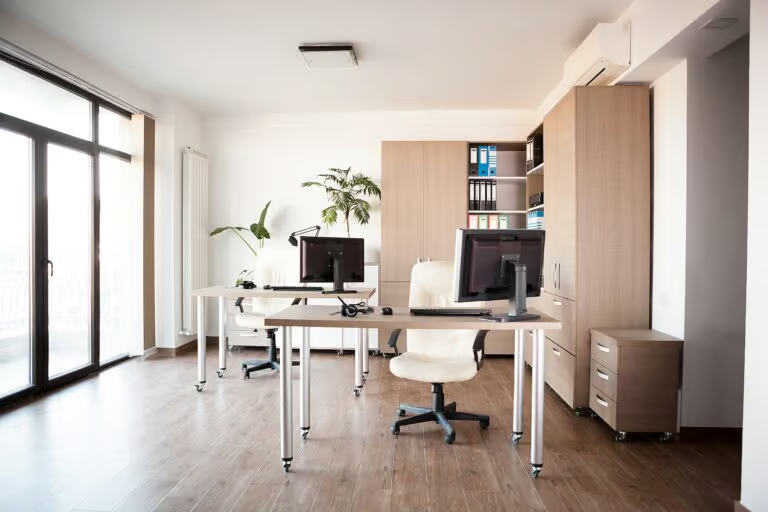
Investing time in workplace organisation pays off. A tidy, well-structured office reduces stress, cuts unnecessary delays, and improves team morale. As you plan for the year ahead, consider creating a streamlined, clutter-free workspace to help everyone work more efficiently.
Why Organise?
Clutter doesn’t just look messy; it can also slow you down. Research shows that visual distractions compete for your attention and make it harder to focus. Sabine Kastner, a professor of neuroscience and psychology at Princeton University, explains that too much visual input impedes the brain’s ability to focus and prioritise tasks.
The state of your desk also affects how others perceive you. Colleagues and clients form quick impressions based on your workspace, and a neat work environment communicates professionalism, reliability, and attention to detail.
Beyond appearances, an organised workspace supports better safety and compliance. Clear walkways reduce trip hazards, and proper filing prevents misplaced records. Using secure filing cabinets, lockable storage units, and fire-safe solutions is also important for handling confidential or long-term documents.
Getting Started: Assess Your Current Workspace
Before buying new tools or rearranging furniture, start with a short audit. Understanding where clutter builds up helps you create systems that address the actual problems.
Identify where clutter builds up. Common areas include shared desks, print and copy stations, break rooms, supply cupboards, and meeting rooms. These spots tend to attract clutter because many people use them throughout the day.
Separate must-keeps from nice-to-haves. A quarterly decluttering exercise keeps drawers and desks manageable, preventing unnecessary items from piling up. Encourage employees to sort through their items:
- What do you use daily or occasionally?
- What can be digitised?
- What needs to be archived?
- What no longer serves a purpose?
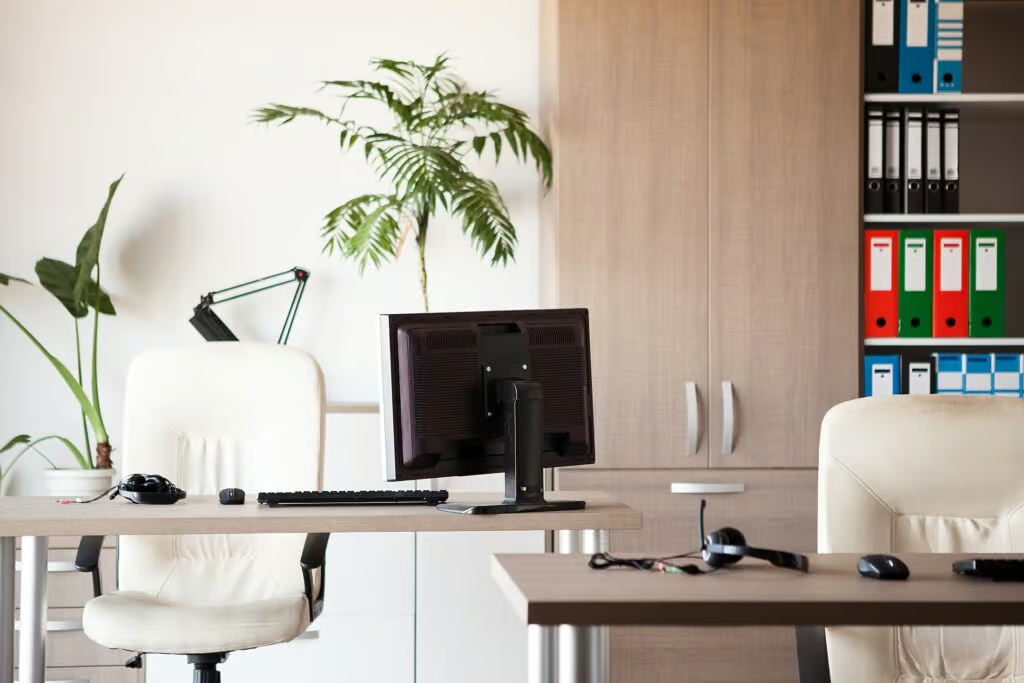
Practical Solutions to Improve Office Storage
With clutter under control, you can introduce practical storage solutions that make office organisation easier to manage. Here are some options to explore.
Vertical storage options
Vertical filing cabinets free up floor space and keep frequently used materials within easy reach. Shelving units and pegboards work well in offices and education settings where items need to stay visible and accessible. These solutions are easy to expand or reconfigure as your storage needs change.
Drawer and desk organisation
Desktop document organisers, document trays, pen holders, drawer organisers, and pedestals and mobiles give everyday tools and resources a designated place, making it easy to find high-use items. Workstation systems with integrated storage provide a tidy, streamlined setup for both individual desks and shared work areas. In classrooms or training rooms, tote trays and shelving bays help keep learning materials sorted and ready to use.
Shared storage zones
Centralised storage such as filing cabinets and shelves works best when everything is clearly labelled and colour-coded, which simplifies filing and reduces the risk of misplacing important items. In schools, lockers, credenzas, and plastic book tubs can be installed to help teachers and students keep personal and group resources organised without cluttering common spaces. Keeping the work and study areas at a relatively clutter-free state supports better focus and allows everyone to use the space more effectively.
Compliance considerations
Follow record-management standards like ISO 15489 for the classification, retention, and secure storage of documents. Use lockable cabinets and secure disposal options such as shredders for confidential records.
Fireproof cabinets or purpose-built archive storage may be required for long-term or high-risk materials, especially in offices, schools, and administrative environments. Proper storage helps you meet audits and health-and-safety requirements.
Personal Workplace Organisation Tips
- Only keep the things that you need– toss anything you don’t.
Limit your workspace to tools that directly support your daily tasks. Remember: fewer objects on your desk means fewer distractions. Get rid of outdated files and any broken items that can no longer be repaired. Set a simple schedule so decluttering doesn’t fall off the calendar.
- Digitise your notes.
Scan important documents into searchable digital files to reduce the need for physical storage. Just like a physical desk, your digital workspace needs structure; files get lost easily when there’s no clear file naming system in place.
If you rely on digital notes and reminders, consider using productivity tools such as Asana, ClickUp, Jira, or Trello to organise tasks and track ongoing projects.
- Get cables under control.
Use cable ties. Velcro ties. and cable mats to keep cords tidy and safe. Good cable management reduces trip hazards and makes it easier to replace or move equipment as needed. A clean cable system also improves the overall look of your workspace.
Stocking Up on Stationery Supplies
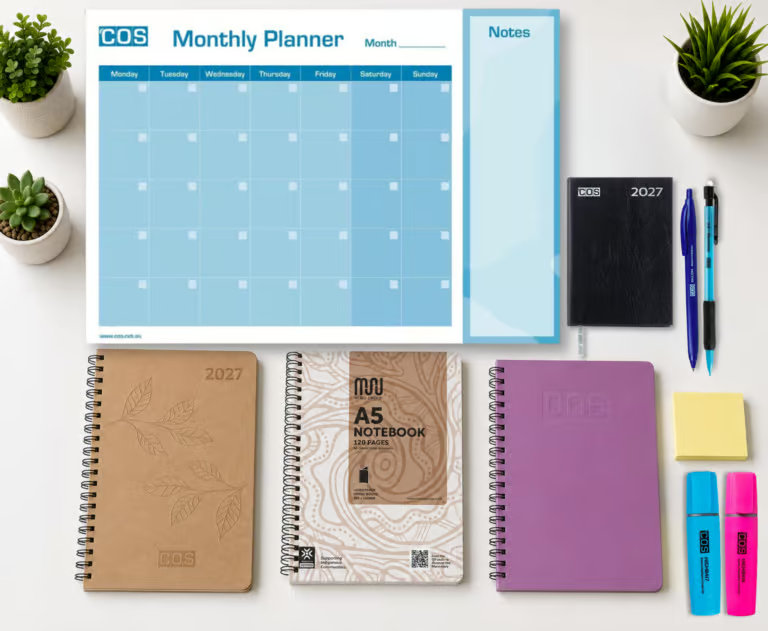
Stationery plays a bigger role in productivity than most people think. Having the right items on hand can prevent interruptions and help teams work efficiently. Basic tools should always be available, including:
- Pens and highlighters
- Sticky notes
- Notebooks
- Paper clips
- Correction tape
- Whiteboard markers and supplies
- Staplers
- Scissors, and
- Adhesive tape.
If your office is looking to reduce waste, consider refillable pens, recycled notebooks, energy-efficient office devices, and durable metal organisers. These options last longer and support sustainability goals.
Remember to take only what you need. A lean inventory reduces waste and keeps your storage areas organised and free from clutter.
A well-organised workplace creates smoother workflows and reduces distractions. With practical storage systems, clear digital habits, and consistent tools across teams, you can maintain a workspace that looks professional and works efficiently day to day.
Start with small changes, build simple habits, and choose storage solutions that suit how your team actually works. Over time, these small improvements add up and create a work environment that’s easier to manage and maintain.