

As tempting as it may be, buying the most popular planners and diaries on the market doesn’t guarantee the right fit. Popularity alone isn’t a reliable deciding factor. The features and functionalities should always come before market appeal. A business planner, for example, is designed differently from those made for study habits.
Here, we will discuss the simple yet realistic buying guide for choosing the right office or study planner.
Why Planner Systems Matter
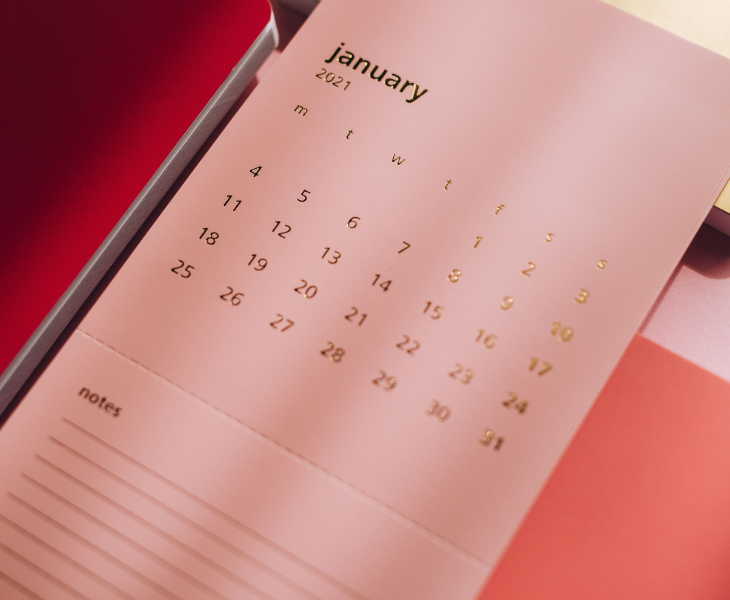
Planner systems are essential for time management, stress reduction, increased productivity, and goal monitoring regardless of how they are designed. They work like a central system for all tasks, from general note-taking to keeping track of project deadlines.
Writing important details down helps the brain to remember specific actions needed to reach goals. The best planner should match the user’s lifestyle, not the trends, brand, or price.
4 Types of Planner Systems
1. Daily Planners
Daily planners are the most comprehensive and detailed type. To-do lists, hourly schedules, and notes sections are common features. Busy individuals, managers, and consultants are best suited for this type.
2. Weekly Planners
Weekly planners are ideal for university students and office workers. They provide a balanced overview of weekly deadlines, assignments, and tasks. They also typically give users 1-2 pages of organised deadlines, tasks, priorities, and assignments to meet weekly goals.
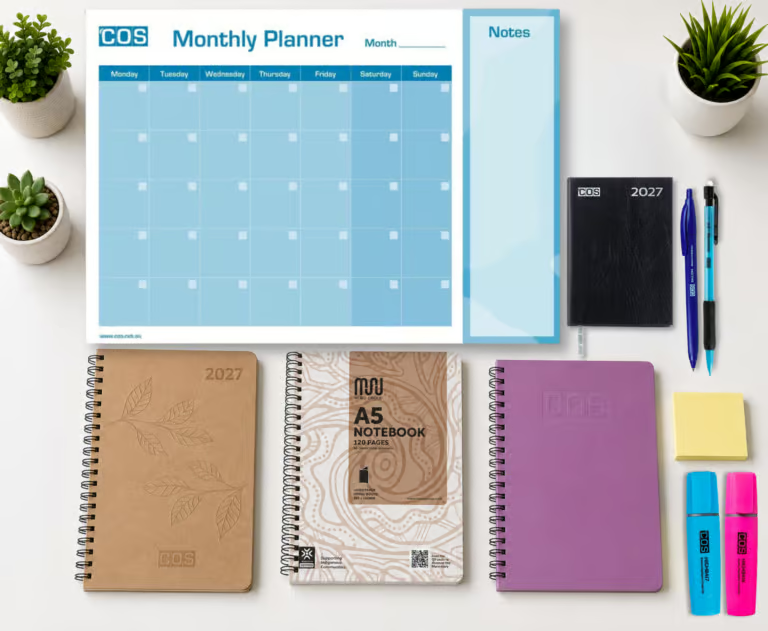
3. Monthly Planners
Monthly planners are designed to focus on long-term goals. They have monthly calendars, note and appointment sections, and goal and priority areas. Project managers, students, and small business owners are highly suitable for this type.
4. Digital and Paper Combo
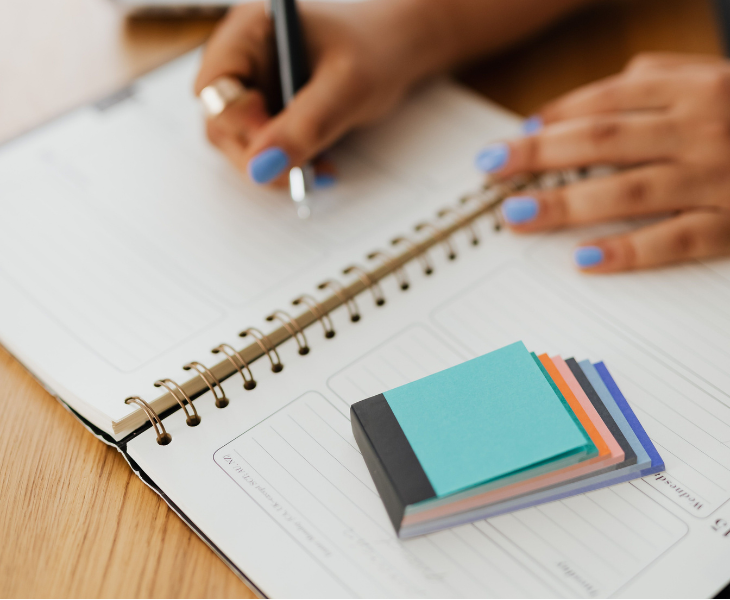
The digital and paper combo is best for anyone who wants more flexibility in their planning system. Calendars, meetings, shared schedules, and events are excellent for digital planning, while goal setting, habit tracking, to-do lists, and reflections are great for paper planning. Also, with paper planning, users can add sticky notes, tabs, and flags to their system for improved organisation and time management.
What’s more beneficial with this planning system is that when one method fails, the other can be a backup framework.
Planner Features to Consider
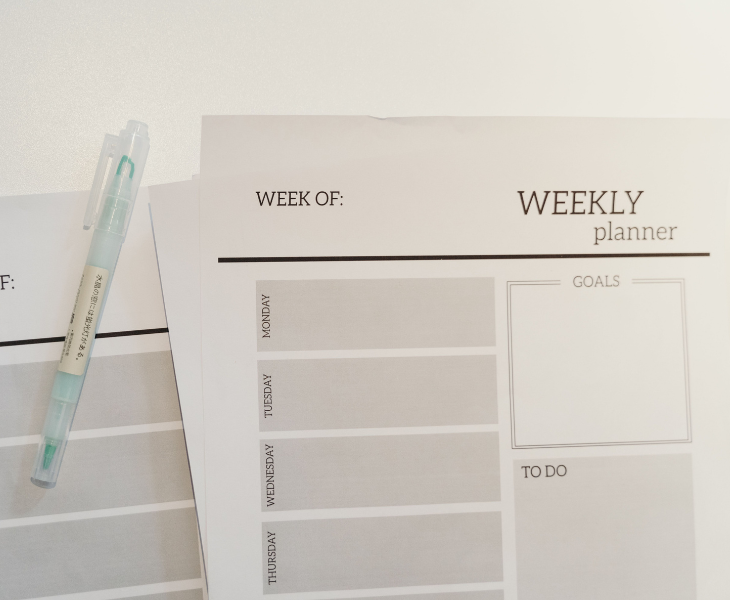
Planners may vary in design because of their purposes, but there are key features one can check out to get the best tool.
Page Layout
It should be clean, organised, and user-friendly for easy navigation and identification of deadlines, schedules, and events.
Portability
Users should consider how they plan to carry or utilise the planner regularly. A compact stationary planning tool may be the best option for professionals and students, while a larger format may be suitable for those who want more writing space.
Goal-Setting Section
Many users appreciate having a goal-setting section as this allows them to track their progress and know how they can improve to succeed.
Notes
The notes part is an equally important feature as the others in any planner. It’s where users write down additional information that doesn’t fall into any section of the page.
Calendar Format
Do users prefer a by-section arrangement or a calendar format? The former is highly flexible and can fit any planner type, while the latter is best for daily diaries.
Durability
A work diary or academic planner can be glued- or spring-bound. Either type provides some level of durability, and it only comes down to which is more convenient for a specific user. Soft and hard covers are also factors to consider, whether the user needs a harder backing or not.
Budget and Habit Trackers
Budget tracking can help with better financial awareness, easier budgeting, and smarter spending, while habit tracking aids in building consistency, increasing accountability, and providing a sense of accomplishment.
Common Planner Buying Mistakes
To get the right planners and diaries, it’s also important to know the common buying mistakes as these can help users narrow down to the top list.
Picking the Item with the Best Aesthetics
As mentioned earlier, functionality should be the deciding factor in purchasing the right planner. Aesthetics can be an extra consideration but not that important.
Having Too Little or Too Much Space
The ideal planner should give users just the right writing area, not too little or too much. Each page should maximise the section spaces to offer more functionality.
Disregarding Portability
Users who are always on the go should essentially consider the planner’s portability. It should conveniently fit most of their bags and be easily carried by hand.
Getting a Planner with Nonessential Features
It would be a waste of money for users to buy planners with impractical features. That’s why it’s crucial to understand first how a specific planner can be of great use for a particular user.
Switching Planners Too Often
Disorganisation and losing focus can quickly become a daily challenge if planners are switched frequently. Users can easily lose track of progress, goals, schedules, and meetings.
Choosing the Right Planning System for Continued Success
With the right planner or diary, professionals and students can be more productive and successful as they can match tasks and routines effectively. They should focus on getting one that caters to their practical needs rather than aesthetics or trends. Many planner formats are available on the market now, but choosing the best one must be based on priorities and usefulness.