
How to Build a Supplier Scorecard for Procurement
A step-by-step framework for a supplier scorecard that assesses supply partners against capability, service, compliance and value criteria.


A step-by-step framework for a supplier scorecard that assesses supply partners against capability, service, compliance and value criteria.
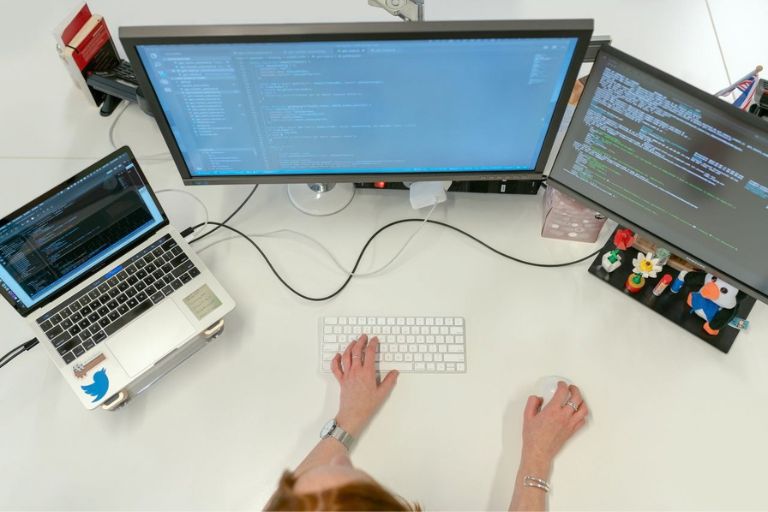
Learn how to choose the right monitor for office work and what to look for in the stand or mounting option that makes the monitor ergonomic.
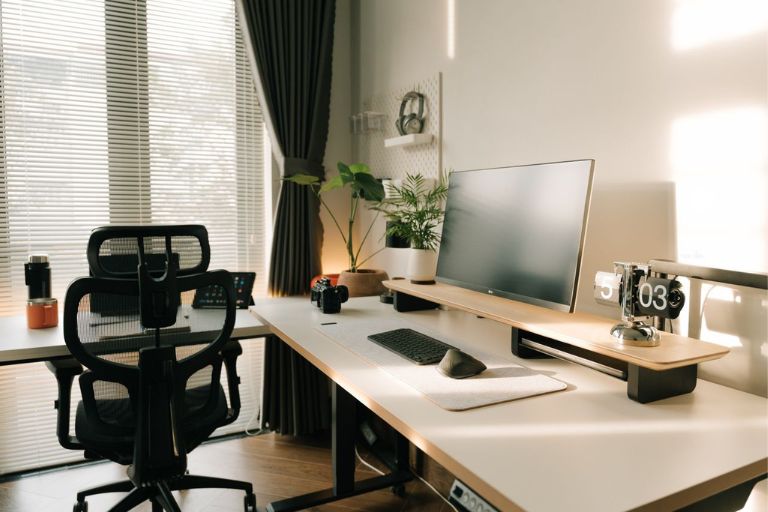
A good ergonomic desk setup involves a workstation where the body is in a neutral, supported position for the duration of the working day.

A well-prepared new starter desk is one of the lowest-cost, highest-impact things an organisation can do to make a new hire feel valued from day one.

An effective conference is a managed experience, and the difference between an effective one and an underwhelming one is in the preparation.
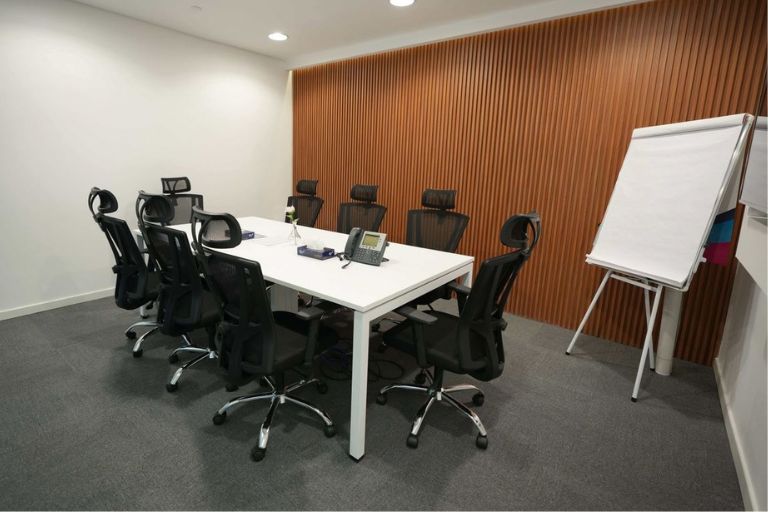
Setting up a meeting room isn’t just a simple facilities task. The combination of furniture, connectivity, and supplies make it a productivity investment.

The most effective way to refresh an office is to target the everyday touchpoints of the workspace rather than capital items.

The biggest risks in moving office are the supplies that run out on the first week because the standing order went to the old address and not the new site.

Evaluate suppliers for government contracts with criteria covering value for money, compliance, capability, risk, sustainability and service delivery.