

Have you ever reached the end of a busy day and realised you’ve forgotten something important? From meetings and deadlines to school projects and everyday to-do lists, life can quickly become overwhelming when there’s too much to keep track of. Sometimes, all it takes is putting pen to paper to bring a sense of clarity and control.
A diary, notebook or planner is more than just stationery, it becomes part of your daily routine. The right one can help bring structure to busy schedules, reduce distractions and ensure important tasks don’t get overlooked.
For professionals, a diary can help manage meetings, deadlines and business priorities. For teachers, planners provide space to organise lesson schedules, classroom activities and important dates. Students can use diaries and notebooks to develop time management skills, track homework and create effective study routines.
Diaries vs Planners vs Notebooks: Understanding the Difference
Before choosing a diary, planner or notebook, it is important to understand how each option supports different needs.
1. Diaries
Diaries are designed to help you manage your time with confidence. With dated pages for appointments, tasks, reminders and important events, they provide a clear overview of your day, week or year ahead.
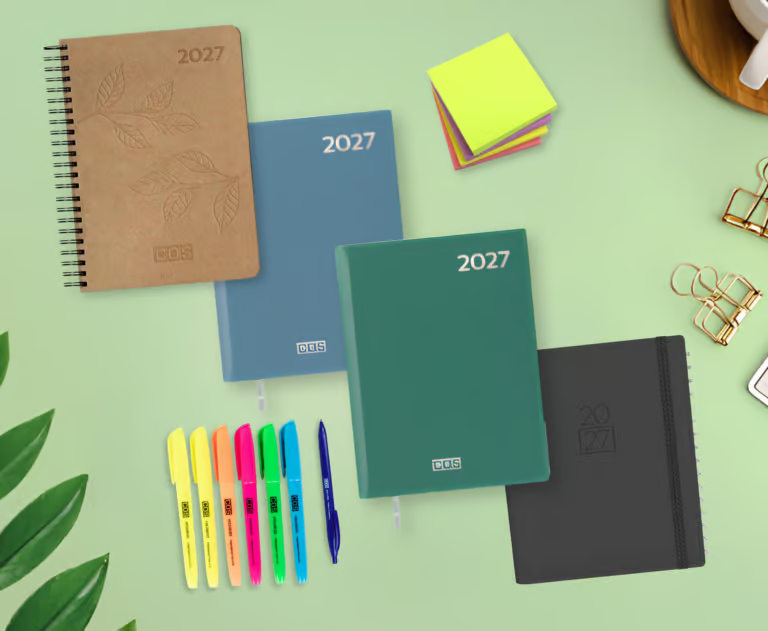
They’re ideal for busy professionals, business owners, educators and teams who need to keep schedules organised and information easily accessible. COS offers a range of options to suit every need, including business, executive, teacher, student, pocket and environmentally friendly diaries.
Types of Diaries:
- Business and Executive Diaries: Designed for professionals, managers and corporate teams, business and executive diaries provide structured layouts for organising meetings, appointments, deadlines and daily priorities while maintaining a professional appearance.
- Teacher and Student Diaries: Teacher and student diaries support academic planning by helping educators manage lesson plans and important dates while enabling students to track assignments, examinations and study goals.
- Fashion Diaries: Fashion diaries combine style with functionality, offering attractive designs for planning, journaling and personal goal setting.
- Environmentally Friendly Diaries: Made using recycled materials and responsibly sourced paper, environmentally friendly diaries provide a sustainable organisational solution for eco-conscious individuals and organisations.
- Pocket Diaries: Compact and portable, pocket diaries are ideal for recording appointments, reminders and notes while travelling or working on the go.
- Branded and Customised Diaries: Businesses can personalise diaries with company logos, colours and custom designs, making them practical corporate gifts and promotional products.
- First Nations Diaries: First Nations diaries celebrate Australian culture, storytelling and artwork, offering meaningful stationery options that recognise cultural connection and appreciation.
2. Planners
While diaries focus mainly on scheduling, planners are designed to support broader organisation and productivity. They often include additional sections for goal setting, task management, project planning and progress tracking.
Planners are popular among people who want more than just a calendar. They provide a visual way to organise priorities and break larger projects into manageable steps.
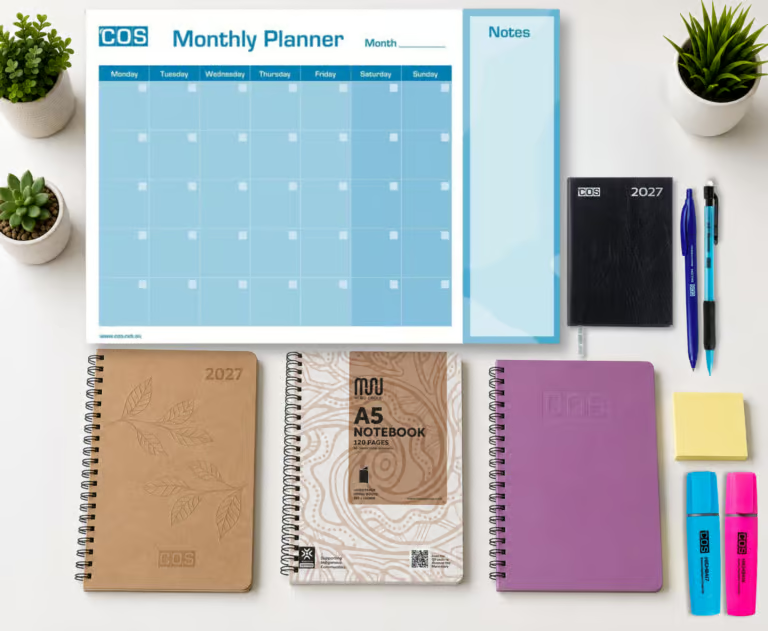
Desk planners, day planners and wall planners are particularly useful in workplaces, classrooms and shared environments where users need to view tasks and deadlines at a glance.
Types of Planners
- Day Planners and Refills: Day planners provide detailed daily scheduling for appointments, tasks and notes. Refillable options offer a sustainable and cost-effective solution by allowing users to replace pages while retaining the same cover.
- Dated Wall Planners: Dated wall planners provide a shared overview of schedules, deadlines and important activities, making them ideal for offices, classrooms and project spaces where visibility and teamwork are essential.
- Perpetual Year Wall Planners: Designed for long-term planning, perpetual year wall planners allow organisations to manage recurring activities, annual schedules and ongoing projects while reducing waste through reusable layouts.
3. Notebooks
Notebooks offer the flexibility to write whenever inspiration strikes. Perfect for meetings, brainstorming sessions, classroom activities and everyday note-taking, they provide a space to capture ideas, record important information and stay organised.
Unlike diaries and planners, notebooks can be used any time of the year, making them a versatile stationery essential. COS offers a wide range of notebooks, spiral notebooks and exercise books designed for students, teachers, professionals and creative teams alike.
Types of Notebooks
- Spiral Notebooks: Spiral notebooks are practical and easy to use, with pages that fold back completely for comfortable writing. They’re ideal for students, professionals and anyone taking notes on the move.
- Hardcover Notebooks: Durable and professional in appearance, hardcover notebooks are well suited for journals, meeting notes and long-term record keeping.
- Softcover Notebooks: Lightweight and portable, softcover notebooks are convenient for everyday use and capturing ideas while travelling or commuting.
- Grid Notebooks: Grid notebooks provide structured layouts suitable for planning, diagrams, bullet journaling and creative projects that require precision.
- Lined Notebooks: Lined notebooks are ideal for traditional writing, note-taking, lists and detailed documentation.
- Plain Notebooks: Plain notebooks offer complete flexibility for sketching, brainstorming and creative expression, making them popular among artists, designers and creative professionals.
How to Choose the Right Notebook, Diary or Planner
1. Identify Your Main Purpose
The first step in choosing the right organisational tool is understanding how you intend to use it.
If you need somewhere to write ideas, take notes or record information, a notebook provides maximum flexibility. If you’d like to document daily experiences and important events, a diary may be the most suitable choice. For improving time management, tracking tasks and achieving goals, a planner offers the structure required to stay organised and productive.
2. Consider Your Lifestyle and Routine
Your daily routine plays an important role in selecting the right product.
Students may benefit from notebooks for class notes alongside planners for assignments and examination schedules. Professionals often use planners to organise meetings and workplace responsibilities while relying on notebooks for project discussions and detailed notes. Creative individuals frequently prefer notebooks because they provide the freedom needed for idea development and brainstorming.
3. Choose the Right Layout
The layout of a notebook, diary or planner directly affects how effectively it can support your needs.
Notebooks are available with lined, dotted, grid and plain pages, each designed for different writing styles and purposes. Diaries may feature daily, weekly or monthly layouts depending on how much planning space is required, while planners often include calendars, goal-setting sections, task lists and habit trackers that support productivity and organisation.
4. Think About Size and Portability
The size of your notebook, diary or planner should reflect how and where it will be used.
Smaller formats are ideal for handbags, backpacks and briefcases, making them convenient for travelling professionals and students. Medium-sized options offer an excellent balance between portability and writing space, while larger planners and notebooks provide additional room for detailed notes, project planning and creative work.
Selecting the right size ensures your organisational tool remains both practical and easy to use.
5. Consider Paper Quality
Paper quality significantly influences the writing experience. High-quality paper provides a smoother surface, reduces ink bleeding and improves durability over time. Those who regularly use fountain pens, markers or highlighters should consider thicker paper stocks that prevent show-through and maintain readability.
Premium paper can make writing more enjoyable while encouraging regular use, particularly for individuals who spend considerable time taking notes or planning.
6. Choose a Design That Motivates You
The design and appearance of your notebook, diary or planner can influence how often you use it. Professional designs are well suited to workplace environments, while colourful or personalised options can make planning more engaging.
Features such as durable covers, elastic closures, ribbon bookmarks and storage pockets can also improve convenience and usability. Selecting a design that reflects your preferences helps transform organisation into an enjoyable daily habit.
Benefits of Using Notebooks, Diaries and Planners
1. Improved Organisation
Keeping important information in one place helps reduce the likelihood of overlooking tasks, appointments and deadlines. Writing things down creates a clearer overview of daily responsibilities while making information easier to locate when needed.
2. Better Productivity
Planners and organised notebooks can improve productivity by helping users prioritise tasks, manage their time effectively and establish clear goals. A written plan provides both structure and motivation while making progress easier to measure over time.
3. Reduced Stress
Maintaining a reliable system for recording responsibilities can significantly reduce mental load. Rather than relying on memory alone, notebooks, diaries and planners provide reassurance that important information has been documented and organised.
4. Encourages Creativity
Notebooks provide an excellent space for creative thinking and idea development. Writers, designers and professionals can use them to record inspiration, sketch concepts and explore new possibilities without the limitations of structured formats.
5. Supports Personal Reflection
Diaries encourage self-reflection by providing space to record experiences, achievements and challenges. Regular journaling can help individuals recognise progress, celebrate milestones and gain valuable insights into their personal and professional development.
6. Important Features to Look For
When selecting a notebook, diary or planner, additional features can improve the overall experience. Page markers make it easier to find important sections quickly, while elastic closures help protect pages during travel. Storage pockets provide space for loose documents, receipts or notes, and pen holders ensure writing tools are always available. Numbered pages and indexes are also useful for organising information and locating notes easily.
Diary Accessories
Diary accessories enhance the functionality and personalisation of notebooks, diaries and planners by making organisation easier and more effective.
Sticky notes are useful for reminders, quick notes, to-do lists and project planning, while supporting collaboration in workplaces and learning environments. Highlighters help users organise information visually by marking deadlines, important dates and key details, making tasks and study materials easier to manage.
Page flags provide a simple way to mark important sections, documents and notes for quick reference without damaging pages. Pens and markers complete the planning experience by offering comfortable writing and creative options for note-taking, colour coding and personal expression. Together, these accessories create a more efficient and personalised organisation system.
Making the Most of Your Notebook, Diary or Planner
Choosing the right product is only the first step, using it consistently is what creates lasting benefits.
Developing a regular habit of writing tasks, reviewing plans and updating goals can significantly improve organisation and productivity. Colour coding, symbols and clearly defined sections can make information easier to understand and locate, while setting aside time each week to review progress helps maintain focus and accountability.
Whether you’re managing business priorities, organising classroom activities or planning personal goals, the right notebook, diary or planner can become an invaluable everyday tool. By selecting a product that suits your needs, lifestyle and working style, you’ll be better equipped to stay organised, productive and prepared for whatever the day brings.