

Recognition is one of the cheapest and most overlooked ways to change how a workplace or classroom feels. According to Safe Work Australia’s model code of practice, inadequate recognition and reward is considered a psychosocial hazard. In schools, a Monash University study found that students wanted to be noticed by their teachers almost above all else. A kindness wall and a kindness jar are two low-cost recognition ideas that turn that need into a visible routine and let recognition come from peers, not just managers and teachers.
What Is a Kindness Wall?
A kindness wall is one of the simplest recognition ideas for work or school. It’s a dedicated display where people post short, specific notes of thanks for each other. Because the notes are public and written by peers, the wall makes everyday helpfulness visible and gives recognition a regular home instead of saving it for end-of-year awards. Whether it’s a staffroom, a breakroom, a corridor, or a classroom, it works in any space with free space on the wall.
What You Need
- A display surface. A noticeboard or a clear section of wall.
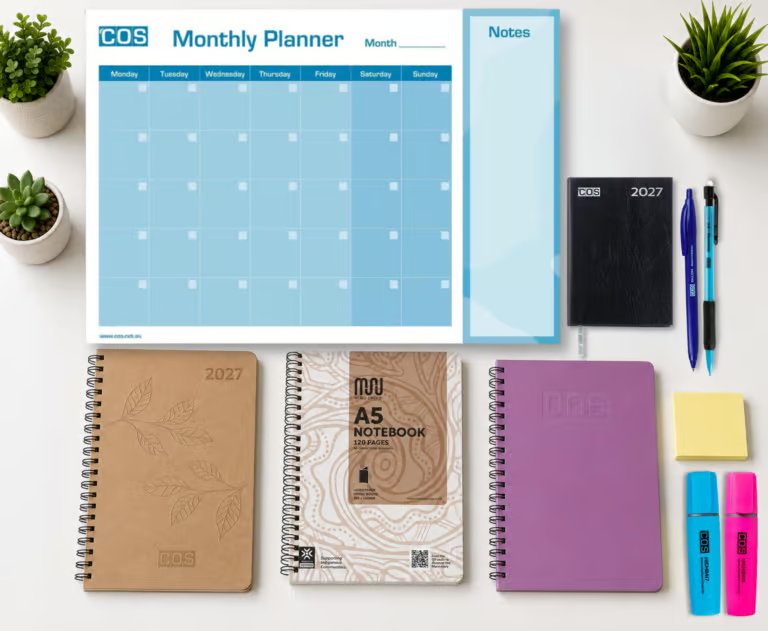
- Notes. Sticky notes and flags in a few colours. Sticky flags can tag standout notes for a monthly read-out.
- Fixings. Reusable adhesive tack such as Blu Tack, or damage-free adhesive strips such as Command strips, for walls where pins and tape are not allowed.
- Pens. Markers in bold colours so notes can be read from a distance.
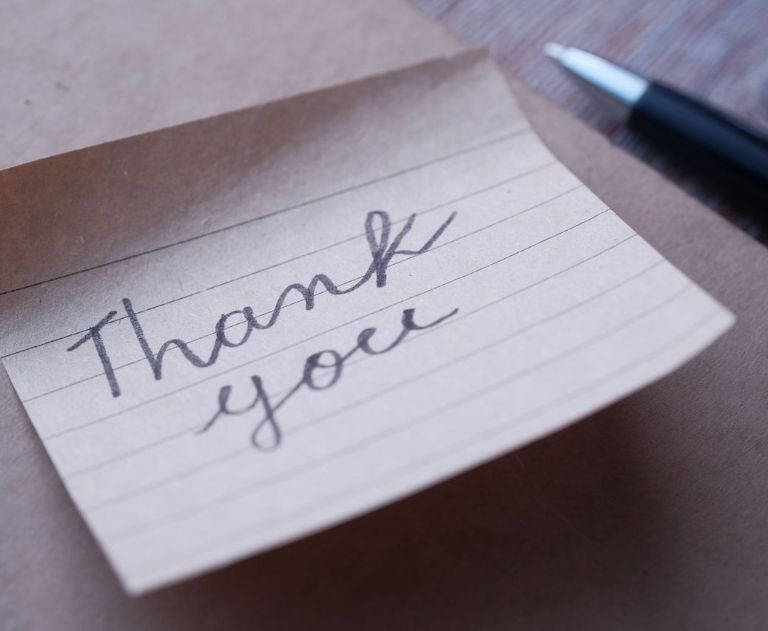
- Thank-you cards. Thank-you cards and celebration stationery for when someone’s effort deserves more than a sticky note.
How to Set Up a Kindness Wall
- Choose a visible spot. Pick a high-traffic area such as a staffroom, corridor or the front of the classroom, and add a clear header like “Kindness Wall”.
- Set one simple rule. Notes should name the person, what they did and why it mattered. “Thanks for covering my duty on Tuesday” beats “you’re great”.
- Stock the station. Keep notes and pens beside the wall so posting takes under a minute.
- Go first. Leaders and teachers should post regularly in the first few weeks so the habit spreads.
- Close the loop. Each month or term, read highlights aloud, then give the notes to the people they are about, adding a card for the standouts.
How a Kindness Jar Works

A kindness jar is the quieter, lower-prep partner to the wall, and another easy recognition idea. It comes in two versions:
- Recognition jar. People drop in slips naming someone and what they did.
- Acts of kindness jar. The jar holds ideas for kind acts, and people draw a slip and do it.
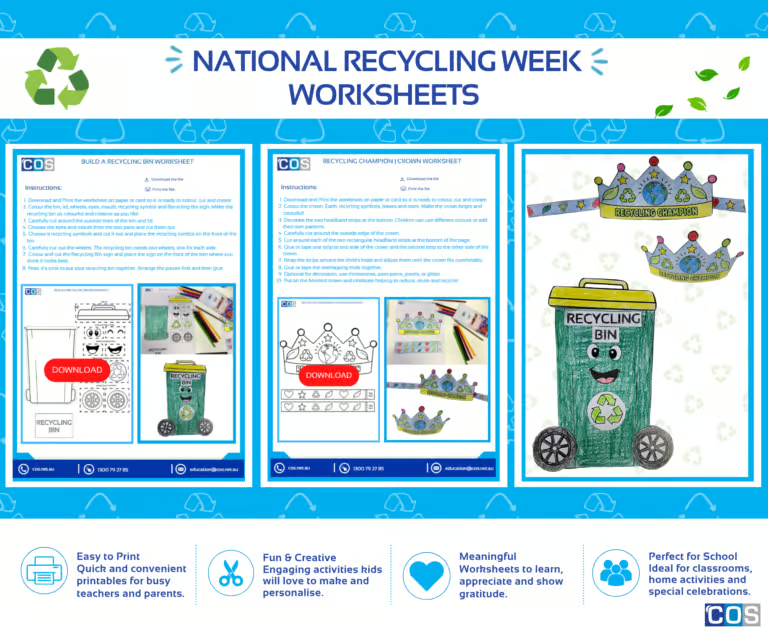
To run either, set a regular time, such as a Friday meeting or the end of the school day, then draw two or three slips, read them aloud and thank the people named. A printable kindness jar template with heart-shaped slips gives younger students a ready-made starting point, and the same format adapts easily to a staffroom. A launch around Random Acts of Kindness Day gives the jar a natural start.
A Workplace Version
In an office or shared workspace, the best recognition ideas fit into existing routines. Put the wall near the kitchen or lunch area where people naturally pause and tie the read-out to an existing rhythm such as a Monday team huddle or monthly check in. Encourage notes across teams, since the colleague who unblocks a project often sits outside your own. Keep the tone specific and genuine and make participation optional so recognition never feels compulsory.
A Classroom Version
In a classroom, keep the mechanics the same but in a smaller scale:
- Give the wall a small, fixed corner of the display board and a weekly focus, such as “thank someone who helped you learn”.
- Let students write notes at set times, such as the end of Friday, so posting does not interrupt lessons.
- Make sure every student is named at least once a term. A quietly ticked class list builds confidence for all students, especially those who do things quietly.
- Use the jar for the whole class with a shared goal, such as filling it by the end of term, rather than a leaderboard between students.
Keeping the Wall Alive
Walls and jars fade when supplies run out or the only notes come from the same three people. Whichever recognition ideas you use, restock weekly, rotate a monthly theme and check the wall for gaps so everyone is eventually named. The point is not the wall itself but the habit of noticing, and a habit sticks when it takes less than a minute.