


An organisation’s purchasing decisions should go beyond pricing and convenience and look at more sustainable options for better long-term value. Ethical purchasing can be achieved by considering factors, such as a supplier’s responsible business practices and transparency with sustainability, the product’s long-term environmental impact and recyclable materials, and the lasting value of the purchases made.
With Green Friday, businesses have the opportunity to reconsider purchasing habits and move away from non-essential consumption. It’s important for you to manage procurement risks to ensure maximum resource use, reduce packaging waste, and maintain smooth workplace operations.
Today, let’s discuss these 7 important questions that businesses should ask to ensure sustainable procurement.
1. Does the Supplier Follow Ethical Business Practices?
Responsible purchasing begins with knowing who the seller is. Know if the supplier follows conscientious manufacturing standards, workplace safety requirements, and labour practices. It’s also crucial that the supplier can demonstrate transparency across their supply chains and has documented social and environmental responsibility policies. With these, you can guarantee that you are considering essential ethical factors rather than choosing a supplier solely based on competitive pricing.
2. What is the Environmental Effect of the Product Throughout Its Lifecycle?
Considering the product’s price is just looking at the surface of purchasing. Look beyond the price tag and evaluate the product’s overall environmental footprint. You must consider the resources used during manufacturing, transportation, and disposal and assess product durability, potential for recycling, and repairability. The entire life cycle of the product must be taken into consideration before approving the purchase. Having a low price doesn’t necessarily mean better long-term value.
3. Does the Product Have Recycled Materials?

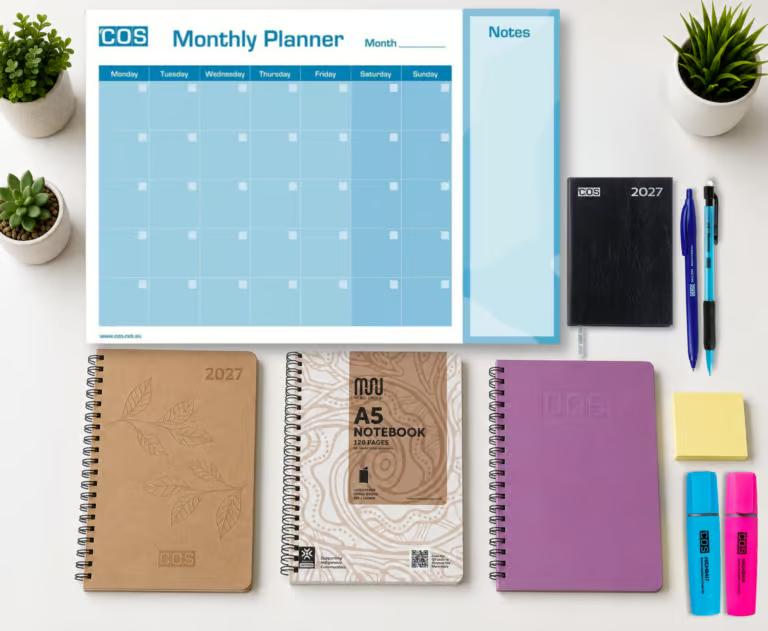
Small material choices, such as a recycled copy paper, can contribute to more responsible resource consumption. Maximising the use of recycled materials can minimise the demands for using virgin resources. Incorporating recycled stationery, for example, can help you make sustainability be part of everyday procurement rather than a one-off initiative. Choosing responsibly sourced materials supports a more eco office.
4. Is the Packaging Sustainable?
Aside from the product itself, ethical sourcing and responsible purchasing should also look at the packaging if it’s environmentally friendly. This doesn’t just help reduce waste but also supports keeping resources in circulation. Sustainable procurement teams should check packaging quantities and materials and whether they are reusable, recyclable, or made from recycled content.
You can also explore suitable alternatives to plastic or ways to reduce single-use packaging, such as buying bulk items, picking products with minimal wrappers, prioritising recyclable wrapping, and using refillable supplies.
5. Are the Supplier’s Environmental Claims Verifiable?
It’s a good start to see suppliers claiming they are eco-conscious, but you still need to verify that the declarations are true. This is to avoid greenwashing, where suppliers make their products appear more environmentally friendly than they really are.
Suppliers can easily use sustainability words, such as “green”, “eco-friendly”, and “eco-conscious”, without any supporting evidence, which misleads buyers. You can request supporting documents, certifications, and specifications that your supplier is truly offering sustainable office supplies. It’s also essential to verify if the environmental claims are relevant, specific, and measurable to the product.
6. Are There More Sustainable Alternatives to Everyday Workplace Essentials?
An eco office is built through consistent responsible practices across different workplace functions. You can start with these simple habits:
- Identify opportunities to replace disposable products with reusable or lower-impact alternatives.
- Use sustainable cleaning products to maintain responsible facilities.
- Prioritise utilising reusable catering products during events as better alternatives to disposable food containers, plates, and cups.
- Use waste management supplies to support better recycling, disposal practices, and waste segregation.
7. Does This Purchase Provide Long-Term Value?

The best purchase you can make is to get a product that offers genuine value without unnecessary financial and environmental costs. Responsible purchasing can help businesses use resources and reduce waste effectively by understanding what they buy, how long these supplies last, and what happens to them at the end of their life cycle.
Sustainable procurement must look beyond upfront costs and promotions because product lifespan, replacement frequency, quality, and operational performance significantly influence product sustainability and true cost. Organisations should prioritise supplies that meet the actual needs rather than those that are on sale.
How to Make Green Friday Part of Your Procurement Strategy
Make Green Friday an inspiration for ongoing sustainable changes rather than an annual planet-friendly exercise. Here are some practical steps you can try during this celebration and continue doing in your workplace:
- Review existing procurement policies and identify areas for improvement.
- Prioritise sustainable office supplies.
- Assess current suppliers’ environmental policies.
- Minimise unnecessary purchases and packaging.
- Track purchasing patterns, waste generation, and supplier performance.
- Encourage employees to participate in responsible purchasing initiatives.
- Introduce reusability.
Make Sustainable Purchases This Green Friday
Ethical sourcing and sustainable procurement are manageable through informed and consistent purchasing decisions. Your organisation can make a significant difference by reducing unnecessary waste, evaluating suppliers, and choosing eco-friendly sourced materials. Use Green Friday as a great opportunity to re-assess your purchasing priorities.