

Sensory play is an important part of childhood development that helps children explore the world through touch, movement, sound, sight, and smell. From classrooms and childcare centres to homes and therapy spaces, sensory activities create opportunities for learning, creativity, and connection.
For many parents and educators, understanding sensory play and how it supports inclusion is becoming increasingly important. Sensory experiences can help children build confidence, strengthen communication skills, and feel more engaged in shared environments, particularly for children who learn and interact differently.
By creating inclusive sensory spaces and activities, schools and workplaces supporting families can foster environments where every child feels welcomed, supported, and empowered to participate.
What Is Sensory Play?
At its core, sensory play refers to any activity that engages one or more of the senses. Think squishing playdough, pouring water, building with blocks, listening to music, or digging through a box of kinetic sand. These aren’t just fun diversions, they’re rich learning experiences that stimulate the brain, build neural pathways, and support development across cognitive, social, language, and motor domains.
What makes sensory play especially powerful is that it meets children where they are. There’s no “right” way to engage with a sensory bin or a tray of modelling clay. A child can approach it slowly and cautiously, dive in with both hands, or simply observe from the sideline. This inherent flexibility is what makes sensory play such a natural foundation for inclusive settings.
A useful way to think about it is that sensory play meets people where they are. Some children need more movement and input to stay regulated, while others benefit from quieter, lower-stimulation experiences that help them settle and focus. Good sensory play offers both.
Why Sensory Play and Inclusion Go Hand in Hand
Inclusion doesn’t just mean having everyone in the same room. It means designing experiences where every child can genuinely participate, contribute, and belong. Sensory play does this almost instinctively.
According to BillyLids Therapy, an Australian paediatric therapy practice, sensory processing difficulties affect up to 1 in 20 children and can occur alongside conditions such as Autism Spectrum Disorder (ASD) and ADHD. For these children, everyday environments such as fluorescent lights, crowded hallways, and loud transitions can feel overwhelming. Sensory play offers something different: a controllable, predictable environment where children can regulate their responses at their own pace.
It’s important to note that sensory play isn’t just for children with special needs. It benefits every child. Research cited in Forbes found that sensory play promotes inclusivity, social interaction, and bonding among children with different neurotypes, fostering a genuine sense of belonging and understanding. When a child with autism and a neurotypical peer both reach into the same sand tray, they share a common experience of curiosity, from which connection often follows.
What Sensory Play for Special Needs Looks Like in Practice

For children with sensory challenges, everyday activities that seem straightforward to others can feel physically or emotionally overwhelming. Sensory play for special needs is about creating low-pressure, adaptable environments where children can gradually expand their sensory tolerance while feeling safe.
Here are some practical approaches that work across early childhood centres, schools, and homes.
Tactile exploration stations
Set up a dedicated tactile corner with materials of varying textures such as sensory sand, soft foam, smooth wooden shapes, or non-toxic modelling clay. Children who are tactile-sensitive can observe first and participate when they feel ready. Those who seek tactile input can dig in straight away. The same activity accommodates completely different sensory needs simultaneously.
Calming sensory bins
Sensory bins filled with materials like rice, dried pasta, or coloured sand offer a self-regulation opportunity that’s portable and easy to set up. For children prone to sensory overload, running their hands through the contents can have a genuinely calming effect, like how some adults find comfort in fidget tools. They’re also a brilliant conversation starter, encouraging language development as children describe textures, temperatures, and comparisons.
Music and rhythm play
Auditory sensory play through simple musical instruments is wonderfully accessible. A child who struggles to join a verbal group activity may find it easy and joyful to shake a maraca or tap a drum in time with peers. Rhythm creates a shared, wordless connection that sidesteps the challenges some children face with communication.
Visual play
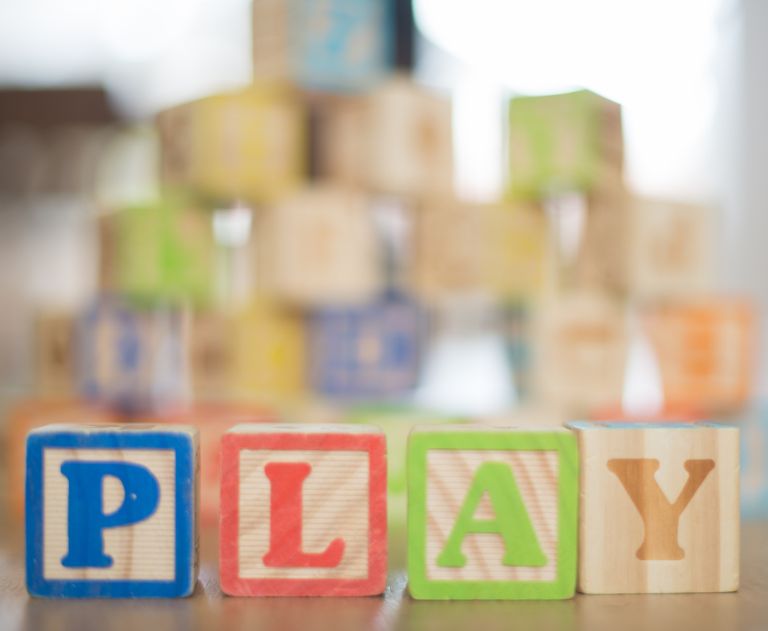
Sorting, stacking, and pattern-making with colourful blocks or puzzles are visually stimulating activities that also build problem-solving skills. For children with visual sensory preferences, these can be particularly absorbing and satisfying, and they naturally invite collaborative play when arranged in a shared space.
Building Inclusive Classrooms with Sensory Design in Mind
Sensory play extends beyond individual activities and goes into how spaces are designed. AERO’s Supporting Students with Diverse Needs practice guide recommends that educators consider seating arrangements that support engagement, and avoid environmental factors, such as excessive noise, visual clutter, or lack of personal space that can negatively impact students’ sensory experiences. These adjustments benefit children with sensory needs and, notably, all children in the class.
Here are a few design principles worth considering.
Flexible seating
Offering alternatives to standard chairs, like wobble stools, floor seating options, or soft seating, gives children who need movement the ability to regulate their bodies without disrupting the group. When a child can fidget safely, they’re often more present and focused.
Accessible storage
Low-level, open shelving lets children select and return sensory materials on their own terms, a small detail that makes a meaningful difference for children who thrive with a sense of control over their environment. It also builds autonomy and decision-making skills that carry well beyond the classroom. Setting up storage thoughtfully is one of those quiet investments that shapes how independently children engage with their space every day.
Sensory corners and quiet zones
Designating a small, low-stimulation corner of the classroom, perhaps with soft lighting, cushions, and a sensory bin or two, gives children a place to decompress when they feel overwhelmed. This isn’t a timeout space; it’s a self-regulation space, and its existence benefits the whole class culture.
A Play Style That Grows with Every Child
One of the most compelling things about sensory play is that it scales. A toddler and a seven-year-old can both engage with a sand tray, just differently. A child with significant sensory sensitivities and a child with no sensory challenges can share a playdough station without either one needing to compromise. An occupational therapist can use the same sensory bin as a therapeutic tool that a preschool teacher uses as a morning settling activity.
That universality is rare and valuable. In a landscape where so many activities inadvertently exclude some children, sensory play actively invites everyone. It doesn’t demand verbal ability, fine motor perfection, or a particular learning style. It just asks children to show up and explore at their own pace, in their own way.