

Packaging supplies comprise the materials and tools businesses use to pack, protect, label, and dispatch goods, documents, and parcels. For Australian organisations, whether it’s an SME sending weekly orders or a government agency managing high-volume mailrooms, having the right packaging on hand isn’t a minor operation detail. It directly affects the security of what you send, the professionalism of how it arrives, and increasingly, your organisation’s environmental footprint.
Why Packaging Supplies Matter for Australian Businesses
Australia’s geography shapes how businesses approach logistics. With customers and offices spread across vast distances, parcels face longer journeys, more handling points, and greater exposure to environmental factors than in smaller countries. According to the Australian Packaging Covenant Organisation (APCO), the average Australian business consumes 116 kilograms of packaging per person annually. It’s a figure that underscores just how central packaging is to daily operations.
At the same time, regulatory pressure is intensifying. National Packaging Regulations expected from 2026 will make it mandatory for businesses to meet Australia’s packaging targets, requiring that 100% of packaging be recyclable, reusable, or compostable. Organisations that understand their packaging supply chain now will be better positioned to adapt.
The Core Categories of Business Packaging Supplies

1. Boxes and Mailing Tubes
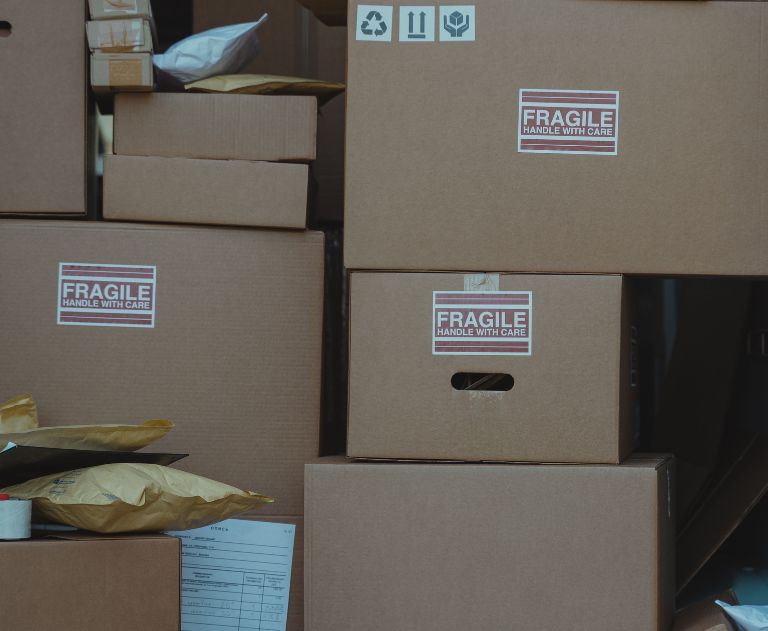
Cardboard boxes and mailing tubes are the workhorses of any mailroom. Boxes come in a range of sizes and weights suited to everything from single documents to heavy equipment. For businesses sending posters, blueprints, or other large paper formats, mailing tubes provide rigid protection without excessive bulk.
When choosing boxes, match the box strength to the weight and fragility of your contents. Over-boxing wastes material and adds unnecessary freight cost; under-boxing risks damage.
2. Courier Satchels and Mailing Bags
For lighter, flatter items, courier satchels offer a practical, cost-effective alternative to boxes. Water-resistant and tear-resistant, satchels accepted by Australia Post protect contents through the full journey from dispatch to delivery. They come in a range of sizes suited to documents, clothing, accessories, and small goods, and their surface accepts handwriting and printed labels easily.
Bubble mailers are padded envelopes with built-in cushioning. They bridge the gap between satchels and boxes, providing protection for fragile but lightweight items like electronics, cosmetics, or samples without the weight or rigidity of a box.
3. Packaging Tape and Dispensers
No packaging setup is complete without reliable packaging tape and dispensers. Polypropylene packaging tape provides the adhesive strength needed to seal boxes securely across the full range of temperatures and humidity conditions Australian logistics involves.
Different tape types serve different purposes: masking tape for temporary labelling, duct tape for reinforcing damaged boxes or heavy items, and double-sided tape for clean, invisible adhesion of documents or components. Tape dispensers, whether handheld or desktop, dramatically improve dispatch speed in busy mailrooms, making them one of the most practical efficiency investments available.
4. Protective Packaging Materials
Contents shift during transit. Protective void fill prevents that movement and absorbs impact. Options include:
- Bubble wrap: The classic cushioning material, ideal for fragile items and irregularly shaped products
- Foam wrap and sheets: Higher-density protection for electronics and precision equipment
- Kraft paper and packing paper: Recyclable packaging, hex wrap and void fill that’s increasingly preferred over plastic alternatives
- Air pillows: Lightweight void fill with minimal material weight
The right protective material depends on your product’s fragility, weight, and transit distance. For government and healthcare organisations dispatching sensitive equipment or specimens, the choice of protective material directly impacts whether items arrive in usable condition.
5. Shipping Labels and Envelopes
Shipping labels are the silent infrastructure of every dispatch operation. Thermal labels are the preferred choice for high-volume operations because they print without ink, resist smudging, and produce clean, scannable barcodes. Adhesive labels suit general purpose use, while custom labels enable branding and specific compliance markings.
Envelopes remain essential for document-heavy organisations. Window envelopes reduce addressing time and errors; security envelopes protect sensitive financial or legal communications; padded envelopes provide light protection for small items.
6. Cutters and Mailroom Tools
Efficiency in the mailroom depends on more than the right packaging, it also depends on the right tools. Box cutters and safety knives speed up both packing and receiving. Scissors handle labels, paper, and light materials. Label makers print professional, scannable labels on demand, eliminating handwriting errors and streamlining dispatch for businesses managing high SKU counts or compliance-sensitive items.
What Australian Businesses Need to Know About Sustainable Packaging
Packaging sustainability has moved from a values-based choice to a regulatory and commercial imperative. Australia’s sustainable packaging market was valued at about AUD 6.3 billion in 2025 and is projected to reach about AUD 11.7 billion by 2033, growing at 8.2% annually as regulations tighten and corporate sustainability commitments deepen.
Here are practical steps for more sustainable packaging in Australian business operations:
Right-size your packaging. Match box size to product size to reduce unnecessary void fill. Oversized packaging wastes materials, adds parcel weight and freight costs, and can suggest a lack of environmental care to customers and clients.
Switch to recyclable, compostable, or biodegradable materials. Paper-based void fill, kraft paper wrap, and recycled cardboard boxes replace plastic alternatives with materials that are recoverable in standard Australian recycling streams. Sustainable packaging is increasingly becoming a must-have for mailrooms as it demonstrates a clear commitment to reducing your carbon footprint and mitigating environmental impact. For organisations with specific sustainability reporting requirements, particularly in government and corporate sectors, compostable mailers, biodegradable adhesive labels, and FSC-certified paper products provide measurable improvements to packaging impact assessments.
Look for the Australasian Recycling Label (ARL). When sourcing packaging materials, prioritise products carrying the ARL, which tells recipients exactly where to dispose of each component. This reduces contamination of recycling streams and demonstrates due diligence in your supply chain.
Where to Source Business Packaging Supplies in Australia
For SMEs, corporate organisations, government agencies, and enterprises alike, reliable supply matters as much as product quality. Sourcing mailroom and packaging supplies from a single trusted supplier simplifies procurement, reduces administrative overhead, and ensures consistent product availability.
From tape and boxes to labels, cutters, and eco-friendly packaging alternatives, COS supplies the full range of packaging materials across Australia with next-day delivery to over 250,000 customers. Consolidating your packaging procurement alongside office and workplace supplies reduces ordering complexity while keeping your mailroom consistently stocked.
Whether you’re dispatching a single parcel or managing an enterprise mailroom processing thousands of items weekly, choosing the right packaging supplies with quality, fit-for-purpose, and sustainability in mind protect what you send, represent your organisation professionally, and increasingly, reflect your environmental values.