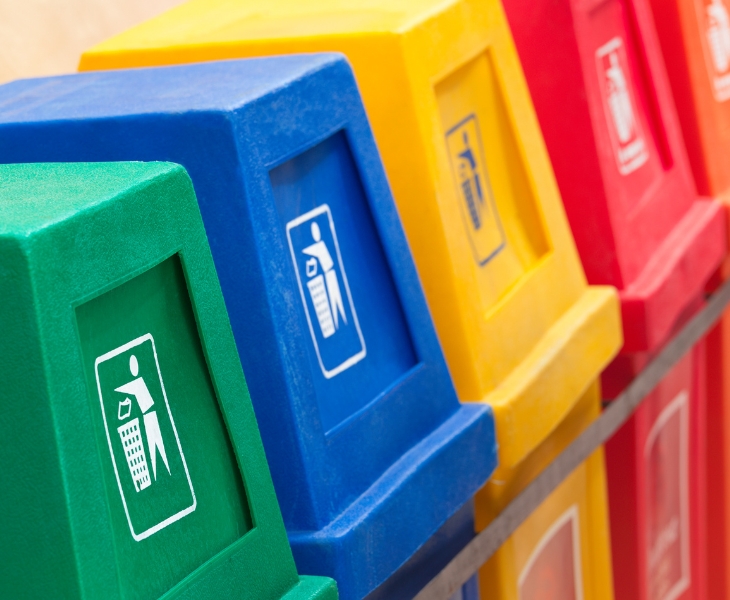
Size-Based Recycling: Key to Waste Reduction
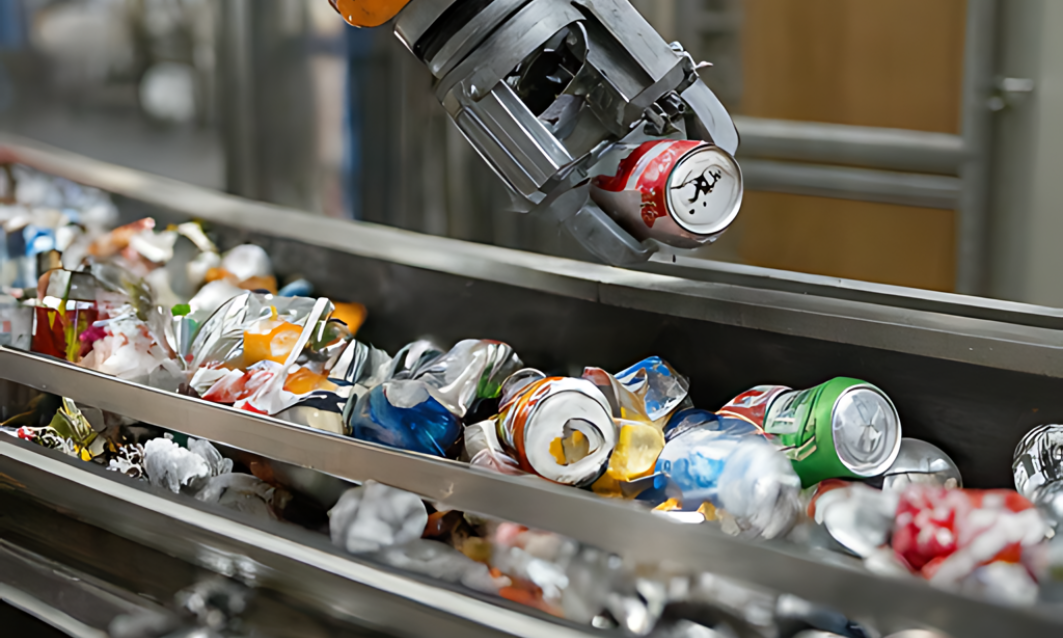
The size of recyclable items can be a challenge for efficient processing and these challenges go beyond simply dealing with physical waste.


The size of recyclable items can be a challenge for efficient processing and these challenges go beyond simply dealing with physical waste.
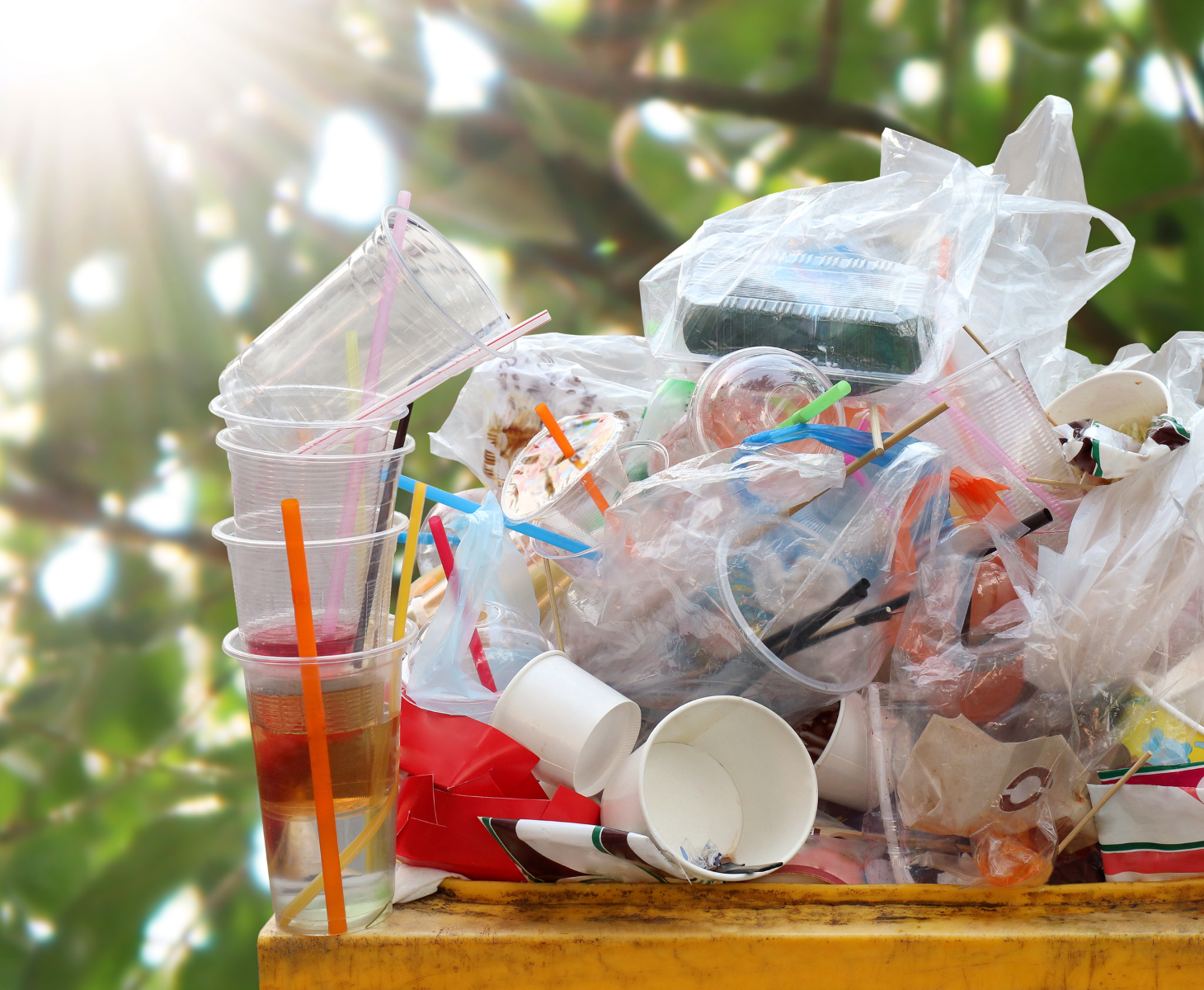
Despite clear labelling and informational campaigns about proper waste segregation, contamination remains a persistent issue. If food scraps, plastic bags, and containers with food residues are placed in the recycling bin alongside bottles and cans, they can contaminate the recycling stream, resulting in the entire batch being diverted to landfill.
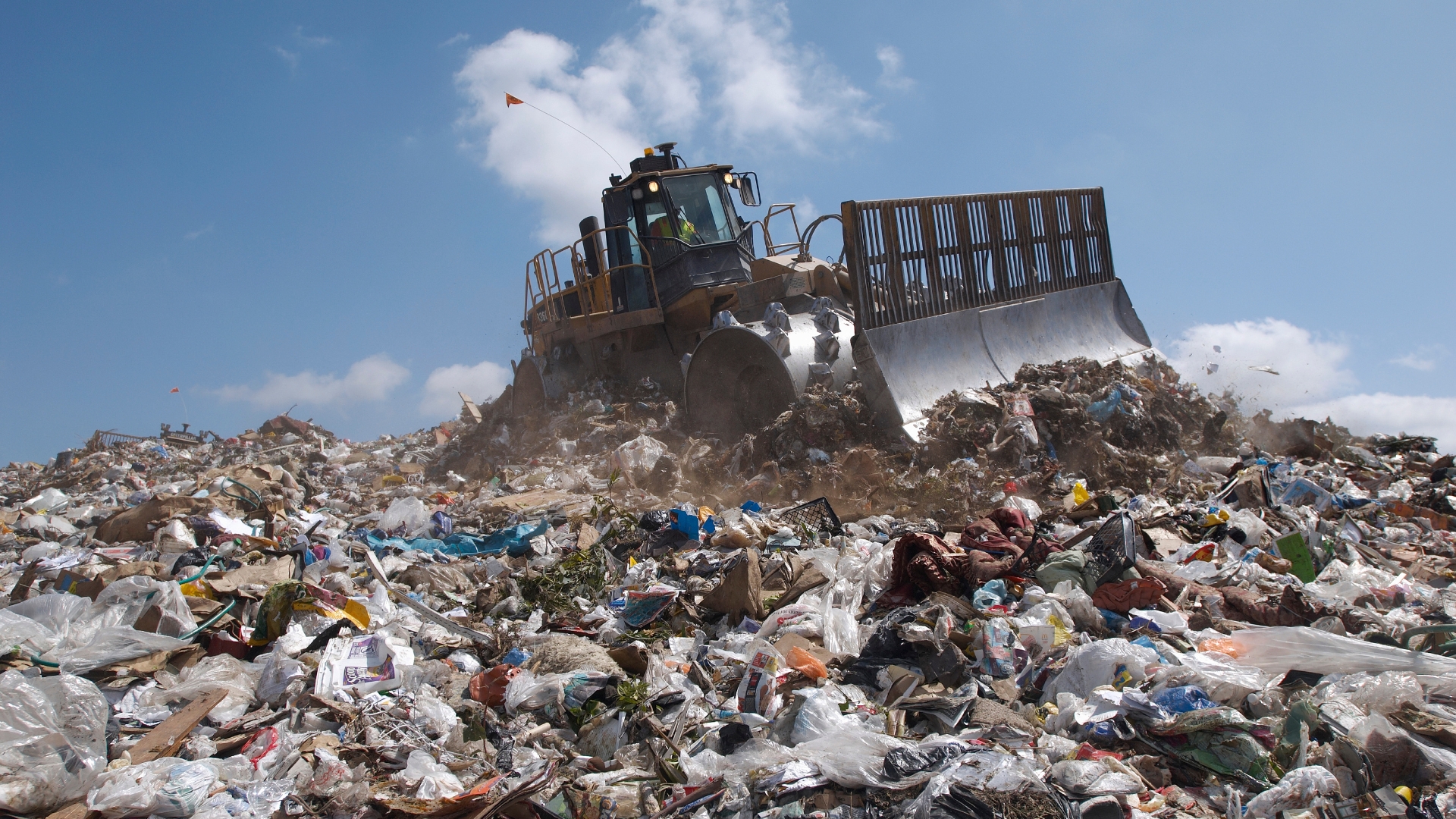
The primary goal of waste diversion is to minimise the amount of waste sent to landfills or incinerators, thereby reducing environmental pollution, conserving resources, and promoting sustainability.
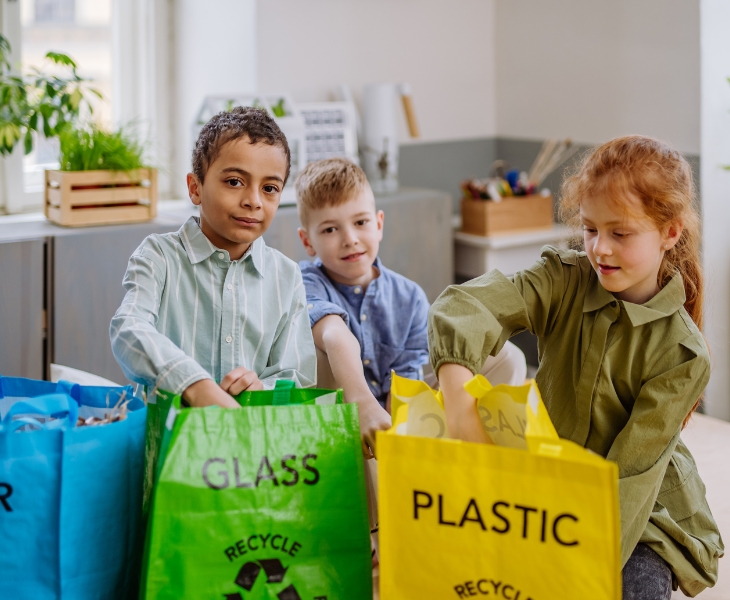
As we work towards building a sustainable future, it is essential to actively engage and empower children to address the growing problem of plastic waste.
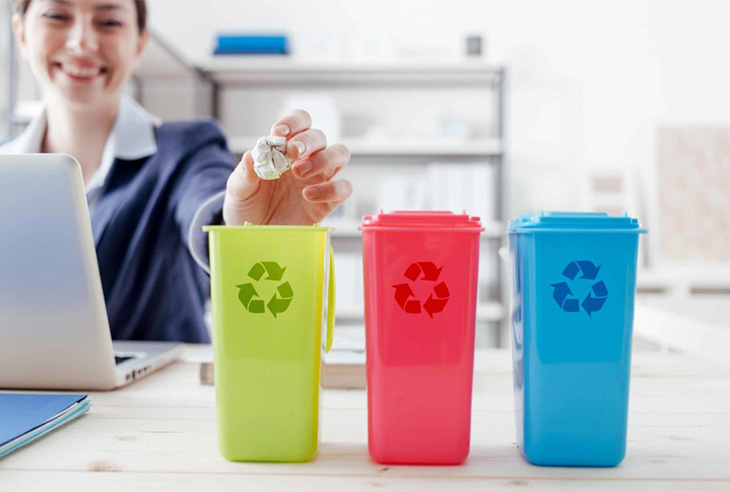
Implementing a robust recycling program can help your business become more sustainable and reduce your environmental impact.
With a little effort and planning, you can get your office in tip-top shape for 2025.
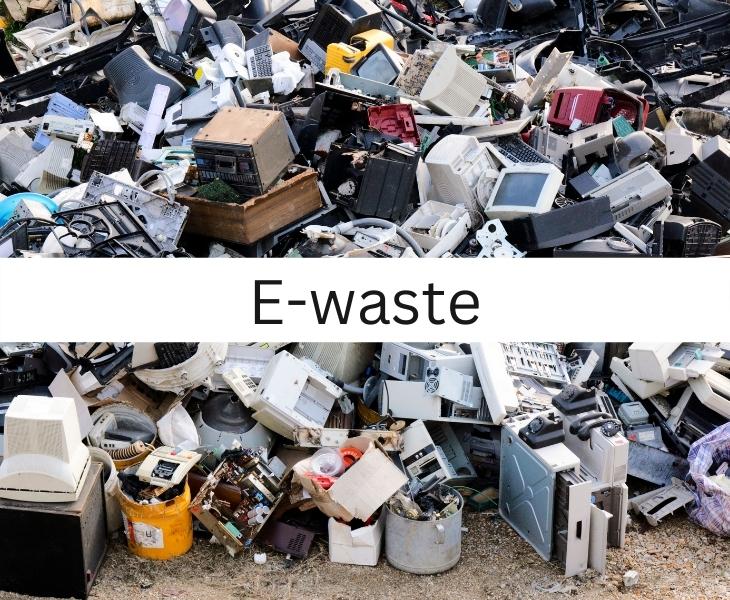
Australia is one of the world’s top producers of e-waste, ranking fifth with 21.7kg of waste per person.
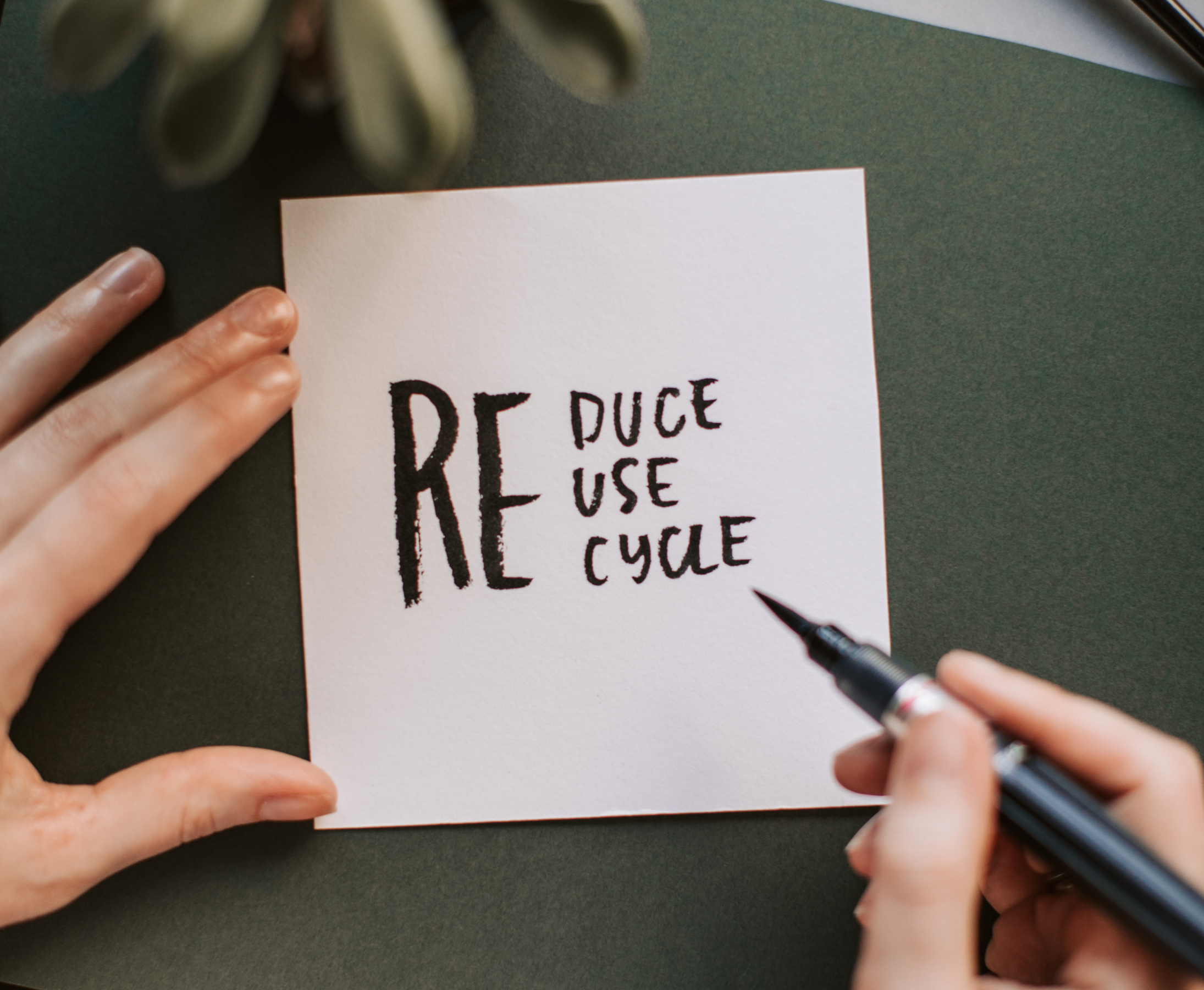
The more you learn and get involved in recycling, reducing, and reusing, the less waste you will produce