How First Nations Businesses Approach Sustainable Practices

First Nations businesses in Australia showcase how sustainability is both a cultural responsibility and a modern business imperative.


First Nations businesses in Australia showcase how sustainability is both a cultural responsibility and a modern business imperative.

Green cleaners offer a powerful alternative, providing effective cleaning without the potentially harmful side effects
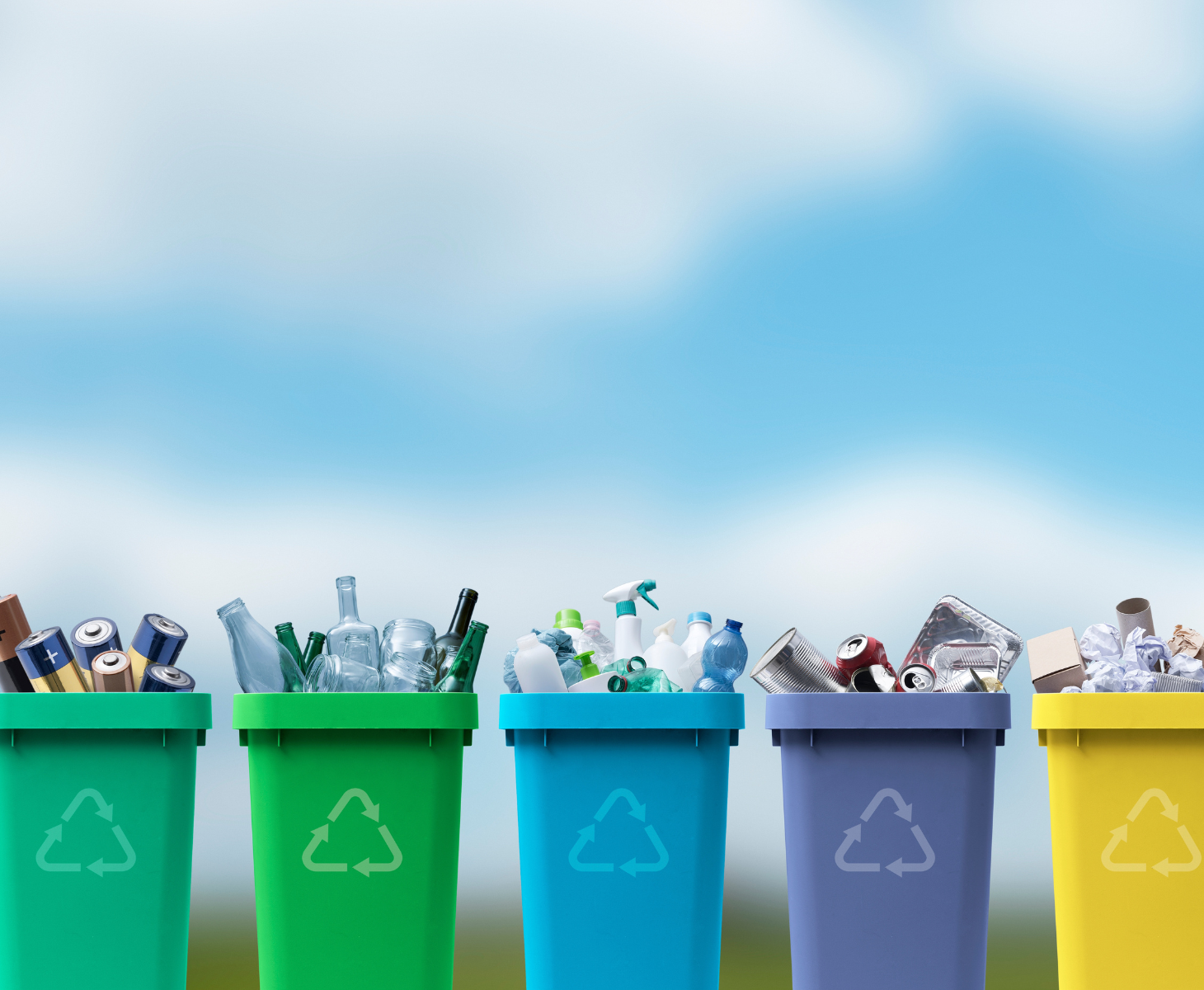
Waste diversion is crucial for mitigating climate change and achieving sustainability goals.

Understanding the different types of plastics, their disposal methods, and
alternative materials is crucial for promoting a more sustainable approach to plastic use.

By embracing innovative solutions such as Eco-mailers, Hexwrap, and Recycled Kraft Paper, businesses can not only meet consumer expectations for eco-friendly alternatives but can also contribute to the preservation of the planet for future generations.

By adopting and promoting refillable stations and bulk purchasing options, businesses can play a crucial role in mitigating environmental damage while also reaping the benefits of a stronger, more loyal customer base.

In Australia, businesses contribute a significant portion of plastic waste, with offices being a major source due to their reliance on convenience-driven products.
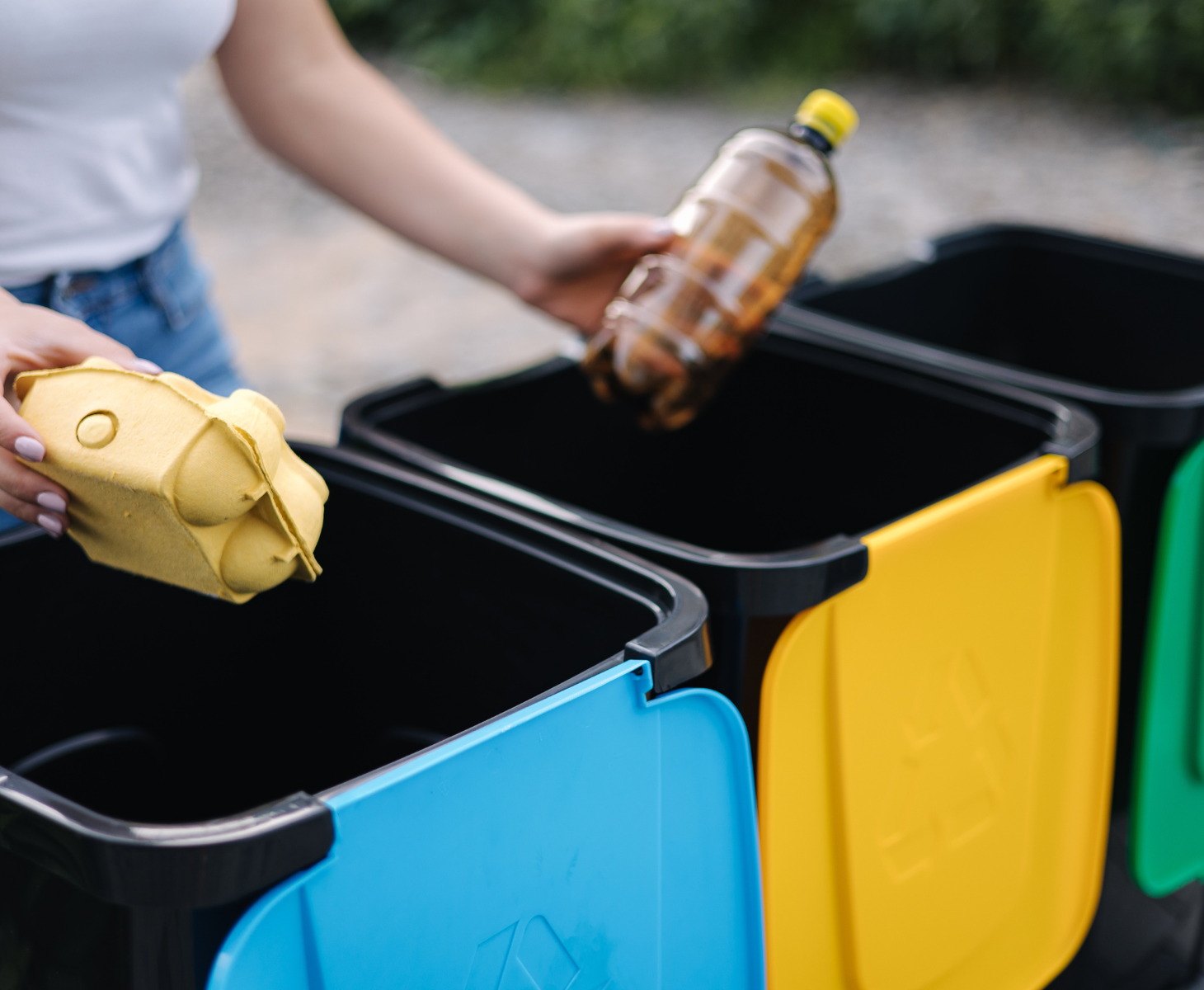
Wish cycling contributes to Australia’s contaminated recycling problem by causing incorrectly labelled waste, non-recyclable waste, and contaminated recyclable materials to degrade other batches of recycling.
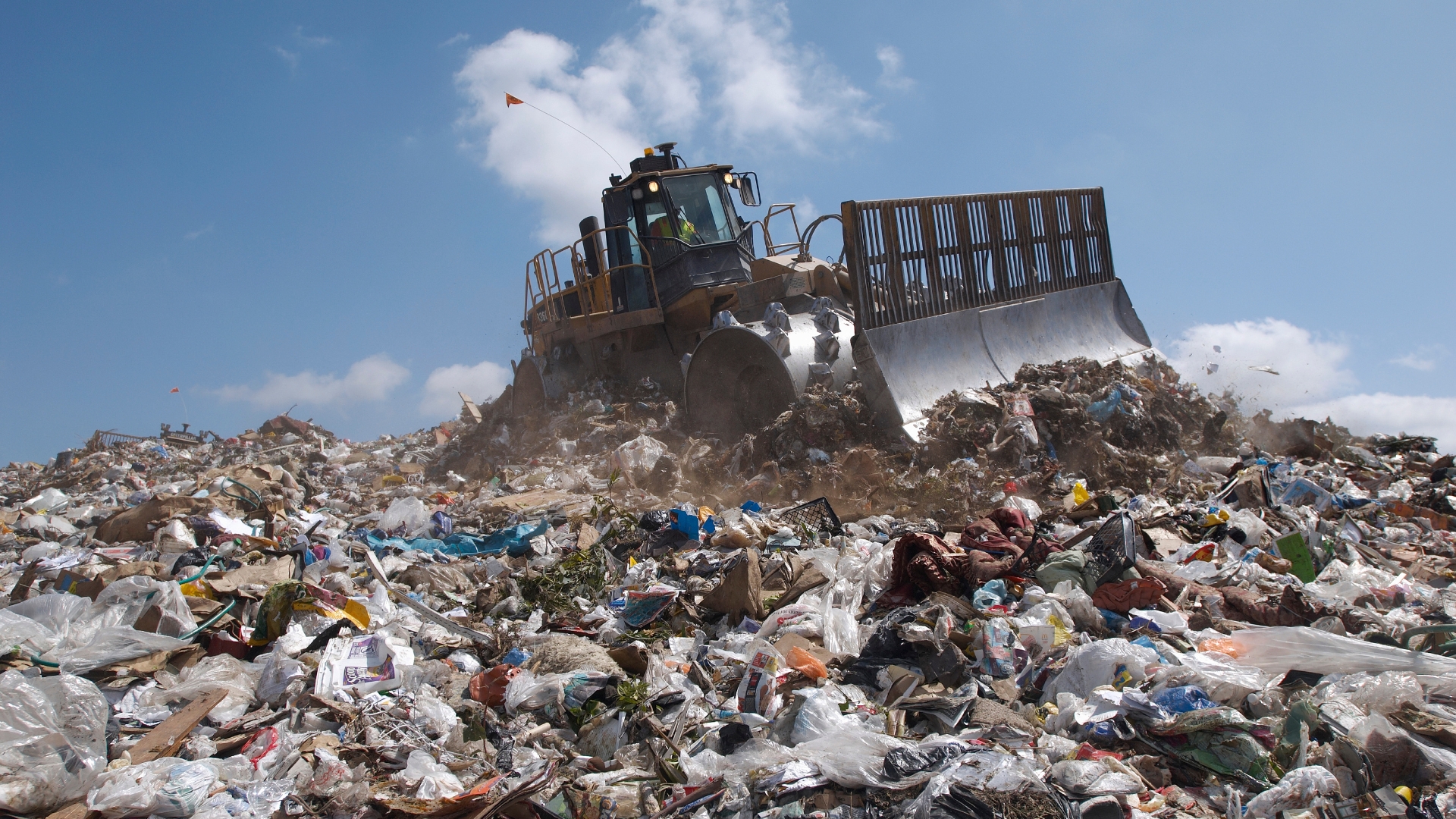
The primary goal of waste diversion is to minimise the amount of waste sent to landfills or incinerators, thereby reducing environmental pollution, conserving resources, and promoting sustainability.