

The first week of August holds particular significance for Australian schools and workplaces. With the theme Inspiring Excellence, NSW Public Education Week runs from 3 to 7 August 2026, celebrating the strength, diversity, and achievement of public education across the state. Just days later, on 9 August, the world observes the International Day of the World’s Indigenous Peoples. This year’s theme, Honouring Indigenous Midwives: Safeguarding Life and Well-being, recognises Indigenous knowledge holders and the enduring value of Indigenous knowledge systems.
Together, these two occasions offer Australian schools and workplaces a timely prompt: not just to observe, but to reflect on what a genuine inclusive environment looks, feels, and sounds like in the spaces we share every day.
What an Inclusive Environment Actually Looks Like
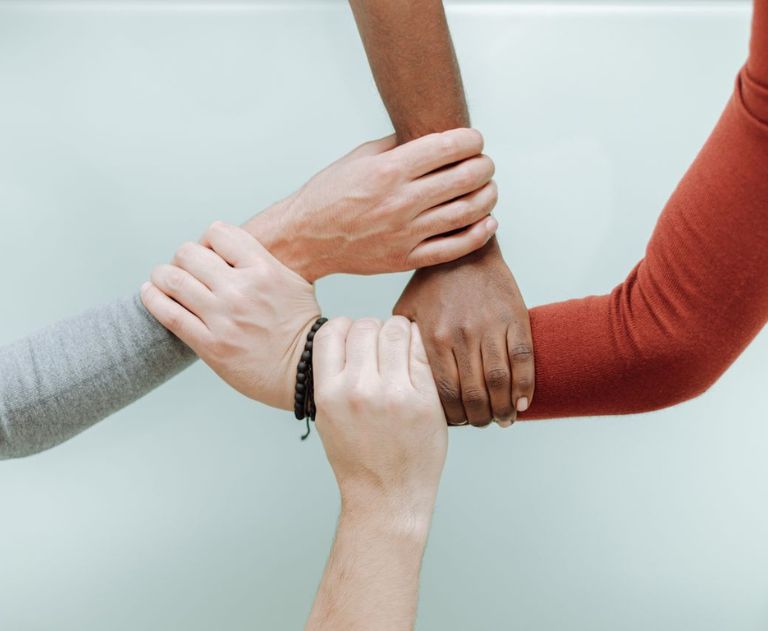
Inclusion isn’t a poster on a wall or a one-week event. Creating an inclusive environment involves making a set of daily decisions about whose voices are amplified, whose histories are taught, and whose cultural practices are welcomed. In schools and workplaces alike, inclusion shows up in the physical environment, the curriculum or professional development on offer, and the way people are invited to contribute.
For Aboriginal and Torres Strait Islander students and staff, it means seeing their cultures reflected genuinely rather than tokenistic, being given space to lead conversations about their own histories and working in environments where cultural knowledge is treated as expertise. For everyone, it means belonging without having to minimise who they are.
In the Classroom: Building Culture Through Everyday Practice
The physical classroom sends a message before a single word is spoken. Display spaces that reflect cultural diversity, student voices, and community stories signal to every child that this is a place where they belong.
During and beyond Public Education Week, consider how classroom walls, communal areas, and learning materials reflect the full spectrum of students in the room. Mini whiteboards and whiteboard markers support collaborative learning activities where all students contribute simultaneously, reducing the dynamic where only confident voices are heard. When every student writes and shares at the same time, inclusion becomes structural rather than aspirational.
Exercise books and notebooks used for reflection journals, acknowledgment of country activities, or cultural learning diaries give students a private, low-pressure space to engage with complex ideas. Paired with coloured markers for illustration and creative response, these become meaningful tools for cultural learning that students actually look forward to using.
For display materials, flags representing Aboriginal and Torres Strait Islander peoples, as well as the nations of students and staff in the room, make belonging visible in a way that words alone can’t. Additionally, student-created posters and artwork displayed in poster frames elevate student voice and ensure the classroom reflects the community rather than a generic idea of one.

Honouring Indigenous Cultures Year-Round
NAIDOC Week in July and the International Day of the World’s Indigenous Peoples in August sit close together on the calendar, but their intent is the same: to move recognition of First Nations cultures from the occasional to the ongoing.
For schools, the work of celebrating NAIDOC Week through craft and creative activities is a meaningful starting point. Bookmarks, boomerang designs, and illustrated acknowledgments of country engage students creatively while building genuine understanding of cultural significance and creating an inclusive environment. These activities land differently when they’re connected to broader conversations about history, sovereignty, and contemporary Aboriginal and Torres Strait Islander life rather than treated as standalone craft projects.
Inviting local Elders to address assemblies, co-delivering lessons with community members, and beginning each day or event with a genuine acknowledgment of country are practices that the NSW Department of Education recommends specifically for Public Education Week 2026 and that hold value throughout the entire year.
In the classroom, this commitment to cultural awareness can be as simple as ensuring the bookshelf includes stories by First Nations authors, that artwork on display reflects Indigenous artistic traditions, and that conversations about country, connection, and community are woven into everyday learning rather than reserved for specific calendar moments.
In the Workplace: Inclusion as Everyday Practice
A workplace with an inclusive environment doesn’t emerge from policy documents alone. They’re built through consistent, visible actions that tell employees from diverse backgrounds that their presence is genuinely valued.
For staff returning to work in Term 3, August is a good moment to audit the physical environment. Are communal spaces welcoming? Do break rooms and shared areas reflect the diversity of the team?
Cultural awareness training, structured opportunities to learn about First Nations histories, and clear pathways for raising concerns about exclusion all form the backbone of inclusion at work. So does the more visible work of celebrating Harmony Week, acknowledging country in meeting openings, and ensuring the languages, stories, and contributions of all team members have a place in the organisation’s narrative.
Procurement is another lever that often goes overlooked. Choosing to spend with First Nations suppliers is a practical, measurable act of inclusion that creates real economic benefit for communities. COS’ First Nations range brings together products from certified First Nations businesses including the Muru range, Yaru Water, Marara Design, and Deadly Ed, with each purchase generating direct social and economic support for First Nations communities.
As COS’ own Reconciliation Action Plan notes, spending with certified First Nations suppliers generates a social and economic value of $3.66 for every dollar invested. For organisations developing or renewing their own RAP or simply looking for tangible ways to act on reconciliation commitments, purchasing through the First Nations Range is a straightforward place to start.
The Intersection: Schools as Workplaces
For educators, this dual framing matters particularly. Teachers experience the workplace dynamics of inclusion alongside their students. When school culture genuinely prioritises fostering belonging and creating an inclusive environment for all staff regardless of background, that culture is far more likely to flow into the classroom.
Schools that celebrate Public Education Week’s Inspiring Excellence theme in full understanding of its First Nations framing are doing something significant: they’re recognising that excellence in Australian public education is inseparable from equity, and that the achievements of Aboriginal and Torres Strait Islander students, families, and educators deserve to be at the centre of that celebration.
Practical Steps for August
Whether you’re preparing a classroom, supporting a team, or leading a school, the weeks surrounding Public Education Week and the International Day of the World’s Indigenous Peoples are a natural moment to take stock.
Start with acknowledgment: of country, of the communities whose lands your school or workplace sits on, and of the ongoing contributions of First Nations peoples to Australian life. Then look at your environment: what does the physical space communicate about who belongs? Look at your materials: do the books, resources, and tools available reflect the full range of people who use the space? And look at your spending: does your procurement reflect your values?
For organisations ready to formalise their commitment, COS’ Reconciliation Action Plan and First Nations Cultural Protocols Guide offer a practical model for how businesses can move from good intentions to structured, accountable action.
Schools and workplaces that make cultural diversity a year-round practice rather than a calendar event build something more durable than good intentions. They build environments where people from all backgrounds can genuinely thrive.