

Knowing where the first aid kit is, who the trained first aiders are and how to access essential supplies quickly can make all the difference when an incident occurs. Workplace safety is about more than simply having a first aid kit on site, it’s about creating a first aid system that is visible, accessible, well maintained and ready when it is needed.
Whether it’s an office where employees may experience slips, trips or minor injuries, a warehouse where manual handling and moving equipment present greater risks, or a school, healthcare facility or workshop with its own specific hazards, every workplace has different first aid needs. A well-planned approach helps ensure employees and visitors can respond confidently and promptly when something goes wrong.
From selecting the right first aid kit and maintaining appropriate stock levels to establishing clearly marked first aid stations and identifying trained first aiders, first aid should be an everyday part of workplace health and safety, not something considered only after an incident occurs.
Why Workplace First Aid Matters in Australia?
Every day, Australian workers experience injuries and illnesses that can require immediate attention. According to Safe Work Australia’s Key Work Health and Safety Statistics Australia 2025, in 2023–24, there were 146,700 serious workers’ compensation claims involving at least one week of working time lost, more than 400 serious claims every day across Australia.
Some of the most common incidents are also ones that can happen in everyday workplace environments. Falls, slips and trips accounted for 32,000 serious claims, while being hit by moving objects accounted for another 23,400. Together, these figures highlight how quickly an ordinary workplace incident can become a situation where prompt first aid is needed.
That’s why workplace first aid should be about more than simply having a kit on the wall. People need to know where to find it, what to do and who can provide help.
Safe Work Australia recommends having enough trained first aiders to meet the needs of the workplace, with the number depending on its size, location and level of risk. As a general guide, this is one first aider for every 50 workers in low-risk workplaces, one for every 25 workers in high-risk workplaces, and one for every 10 workers in remote high-risk workplaces.
How to Build a First Aid-Ready Workplace
1. Make First Aid Supplies Easy to Find
One of the most important aspects of first aid readiness is ensuring employees can quickly locate first aid supplies. A first aid kit hidden away in an unfamiliar cupboard or stored behind other equipment may be difficult to access when it is needed.
First aid kits should be placed in locations that are easy to identify and reach. Depending on the workplace, this could include reception areas, staff rooms, kitchens, common areas, designated safety stations or other central locations.
A compact kit such as the Small Workplace First Aid Kit is ideal for smaller office environments, providing essential first aid supplies in a convenient, space-efficient format. For larger workplaces or organisations requiring a more comprehensive solution, the Standard First Aid Kit offers a practical option that can be stored in a clearly identified and easily accessible location.
Larger workplaces may benefit from having multiple first aid kits positioned across different floors, departments or work zones. The number and placement of kits should reflect the workplace layout and relevant workplace safety requirements.
2. Use Clear and Consistent Signage
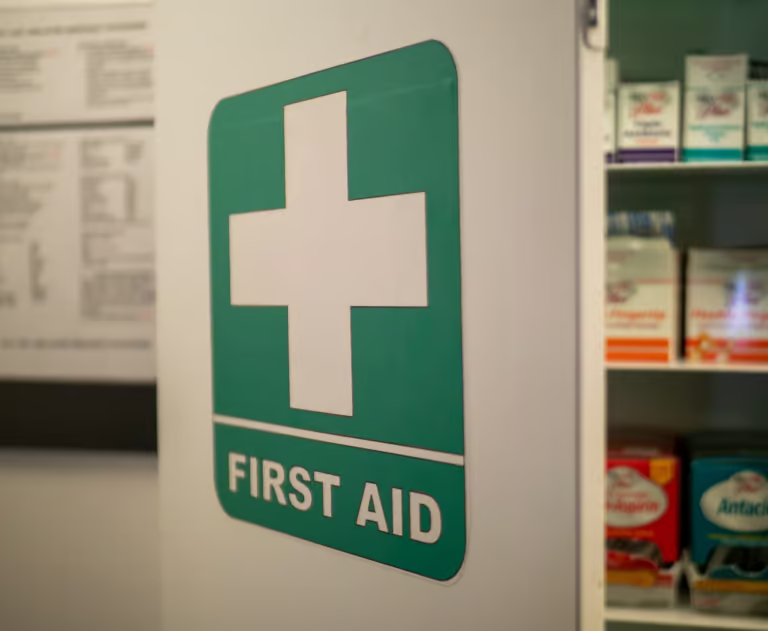
Even when a first aid kit is located in an accessible area, employees or visitors may not know where to find it. Clear first aid signage and dedicated stations help remove this uncertainty, making essential workplace safety resources easy to identify and access.
Well-placed, highly visible signs can quickly direct people to first aid kits, equipment and designated first aid areas, particularly in large, busy or unfamiliar workplaces. Signs should be positioned where they can be easily seen from key access points, walkways and common areas, helping people locate first aid resources without unnecessary delays.
Using consistent signage throughout the workplace also makes it easier for employees and visitors to recognise first aid locations at a glance. This can reduce the time spent searching during an emergency, support a faster response to injuries and reinforce a more organised, prepared and safety-conscious workplace.
3. Keep First Aid Kits Accessible
Accessibility is just as important as visibility. Employees should be able to reach first aid supplies quickly and without unnecessary obstacles or delays.
Avoid storing first aid kits in areas that are difficult to access, such as behind locked doors, inside overcrowded storage spaces or in locations restricted to certain employees. Instead, choose a dedicated, easy-to-reach location that is clearly identified and accessible to everyone who may need it.
Wall-mounted stations and cabinets can provide a practical way to keep first aid supplies organised, visible and readily available. A wall station can help keep contents clean while displaying supplies clearly for quick and easy selection. A dedicated first aid cabinet can also provide a convenient, space-efficient storage solution while keeping essential supplies organised.
4. Provide Accessible Eye-Wash Facilities Where Required
In workplaces where there is a risk of eye exposure to chemicals, dust, particles or other hazardous substances, dedicated eye-wash facilities can support a prompt emergency response. Where required, these should be clearly identified, easily accessible and positioned close to potential risk areas.
A dedicated eye-wash station provides a clearly marked location for emergency eye-wash supplies, with printed instructions to guide employees when needed. Wall-mountable and portable options offer flexibility, while units made from 100% recycled materials can support more sustainable workplace practices.
Saline eye-wash solutions can also be included with appropriate first aid supplies. In higher-risk environments, emergency shower and eye/face-wash units can provide additional emergency support.
Facilities should be selected and positioned based on the workplace risk assessment and applicable requirements, with regular checks to ensure they remain accessible and ready for use.
5. Consider Portable and Travel First Aid Kits
For employees working off-site, travelling between locations or using workplace vehicles, portable first aid kits can provide convenient access to essential supplies when away from the main first aid station.
Travel and portable first aid kits are designed for easy transport and can be useful for field work, site visits, vehicles, events and other mobile work environments. Keeping an appropriately stocked kit readily available can help ensure basic first aid supplies are accessible wherever work takes place.
As with standard first aid kits, portable kits should be checked regularly to ensure contents are complete, in good condition and within expiry dates.
6. Set Up a Well-Equipped First Aid Room
Larger workplaces or environments with higher first aid needs may benefit from a dedicated first aid room. A designated space provides a private, organised area for administering first aid and storing essential supplies. The room should be clearly identified, easily accessible and equipped to meet the workplace’s first aid needs.
Depending on the workplace, supplies may include a first aid kit or cabinet, examination couch or bed, seating, privacy screen, hand hygiene products, disposable gloves, dressings, bandages, eye-wash supplies, cold packs and suitable waste disposal facilities.
The room should be clean, organised, well stocked and regularly maintained, with routine checks to replace used or expired supplies. Employees should also be made aware of its location and how to access first aid assistance when required.
A dedicated first aid room can provide a central and reliable resource, particularly in larger workplaces where a single first aid kit may not be sufficient.
7. Keep an AED Accessible and Ready for Emergencies
Cardiac emergencies are among the most serious incidents that can occur in the workplace. Having an Automated External Defibrillator (AED) readily available can be life-saving during sudden cardiac arrest. AEDs are portable devices that analyse the heart’s rhythm and, when required, deliver an electric shock to help restore a normal rhythm.
AEDs should be located in clearly identified, easily accessible areas so they can be reached quickly in an emergency. Employees should also be familiar with their location and, where possible, trained in their use. While AEDs provide clear voice and visual instructions, trained personnel can help ensure the device is used promptly and confidently.
Regular checks are essential to keep an AED ready for immediate use. Check the battery status, confirm that electrode pads are within their expiry date and ensure the device is functioning correctly and has not been damaged or obstructed.
8. Introduce Regular Stock Checks
A first aid kit is only effective when its contents are available, in good condition and easy to access. Supplies can be used, misplaced, damaged or expire over time, so regular checks are important to ensure essential items are ready when needed.
Assign a nominated employee, facilities team, workplace safety representative or other appropriate person to complete routine checks. The frequency should reflect the workplace environment, usage levels and applicable requirements.
During each stock check, consider:
- Availability: Are commonly used first aid supplies still in stock?
- Missing items: Has anything been used or removed since the last check?
- Condition: Is the packaging sealed, intact and undamaged?
- Expiry dates: Do any items need to be replaced due to expiry?
- Replenishment: Are any supplies running low or requiring replacement?
- Organisation: Are contents clearly arranged and easy to locate?
- Cleanliness: Is the kit, cabinet or station clean and in good condition?
Keeping suitable refill products readily available can make replenishment quicker and easier, helping compatible first aid kits remain complete between scheduled checks.
A simple “check, replenish and record” routine can make a significant difference to workplace preparedness.
9. Stock Essential First Aid & Safety Supplies
First aid readiness goes beyond simply having a traditional first aid kit on hand. Depending on the workplace environment, having additional first aid and safety supplies readily available can help employees respond to common injuries and incidents more efficiently while supporting a well-organised approach to workplace preparedness.
Disposable gloves, for example, can help support safe and hygienic first aid practices. Other useful supplies may include eye pads, dressing pads, hot/cold packs, bandages, and other basic first aid consumables.
It is also important to consider the specific needs of your workplace. An office, warehouse, workshop or educational environment may require different supplies based on the activities undertaken and the types of injuries or incidents that could occur.
10. Build Staff Awareness of First Aid Resources
Having first aid supplies readily available is only part of workplace preparedness, employees also need to know where to find them and how to access them.
Including first aid locations in workplace inductions and onboarding can help ensure new employees are familiar with the location of first aid kits, cabinets, safety stations and other relevant resources from the outset.
For existing employees, regular reminders and first aid tips can help maintain awareness, particularly following office relocations, renovations or changes to the workplace layout. This information can be reinforced through internal safety communications, staff newsletters, noticeboards, digital employee resources and routine safety reminders.
Providing a practical first aid guidance leaflet can also support employees in using workplace first aid kits safely and effectively. Clear, easy-to-follow information can help employees respond more confidently to common first aid situations and is a mandatory inclusion in workplace first aid kits.
11. Review First Aid Readiness Across the Entire Workplace
First aid readiness should extend across the entire workplace rather than relying on a single central kit. Different areas may have different levels of activity, risks and accessibility needs, so it is important to consider where employees, contractors and visitors spend their time.
During a workplace review, consider different floors and departments, high-traffic and public-facing areas, shared staff facilities, remote or less frequently visited spaces, and locations where workplace safety supplies are already stored.
A simple workplace walk-through can help identify gaps for example, a clearly visible first aid kit in reception may not provide convenient access for employees working in another department or area. For larger workplaces, combining first aid cabinets, stations and individual kits can create a more consistent network of accessible resources throughout the workplace, helping ensure first aid supplies are available where and when they are needed.