

Sports equipment cover everything used to play, train and stay active. From balls, nets and skipping ropes to fitness gear, outdoor play items and the storage, getting the mix right matters because most kids are not moving enough.
In the Australian Bureau of Statistics, only 18.3% of children aged 5 to 17 did the recommended 60 minutes of moderate to vigorous physical activity every day. The figure fell from 30.8% 5- to 8-year-olds to 7.6% of 15- to 17-year-olds. Physical Education, school sport, recess and lunchtime play give schools regular chances to help, and the sports equipment on hand shapes how many students can take part.
What Counts as Sports Equipment and Accessories?
The category is broader than team sports as it can also cover any equipment that can be used for various recreational activities. It generally falls into four groups:
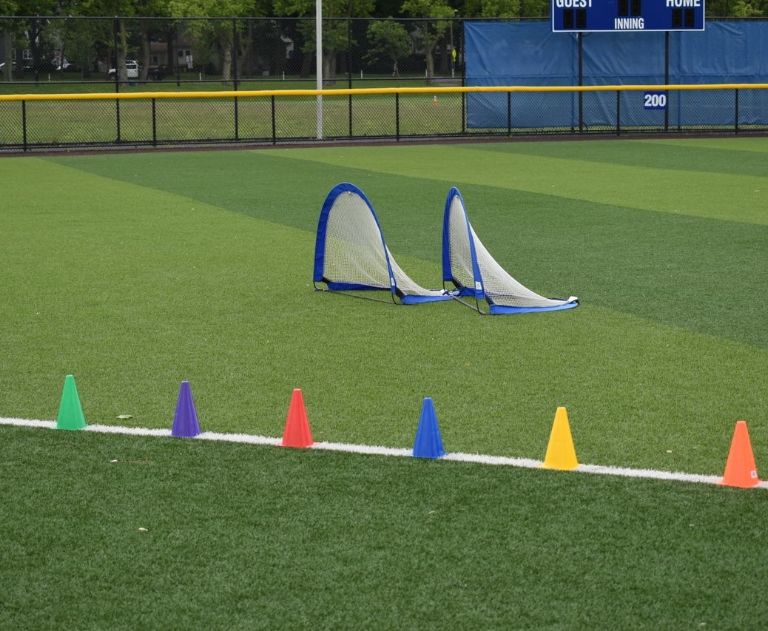
- Team and ball sports: balls, goals, nets, bibs, cones and markers for games and PE lessons.
- Gym and fitness: mats, resistance bands, weights and other compact equipment for school gyms and training sessions.
- Outdoor and playground play: portable items such as hoops, ropes and balls that support active, unstructured play.
- Accessories and support items: storage, pumps and cleaning supplies that keep equipment organised, safe and hygienic.
Together, these items cover sport, fitness and play for schools and early learning settings.
Sports Equipment for Schools
School PE and sport programs depend on equipment that suits the students using it. The national health guidelines recommend that children and young people aged 5 to 17 do at least one hour of moderate to vigorous physical activity every day, and PE, recess and lunchtime play all count towards that total.
When choosing physical education equipment, three things matter most:
- Age and skill fit. Smaller, lighter and softer items help younger students build confidence. Older students need variety, such as fitness options and court sports, to stay engaged as activity levels drop through the teenage years.
- Quantity. Aim for enough items that students are active rather than queuing, ideally one piece per pair at minimum. Having only one skipping rope for a class of 30 just wouldn’t make sense.
- Durability. School equipment is used daily on hard courts, grass and gym floors, so hard-wearing materials pay off over a term.
Gym and Fitness Equipment for Older Students
Interests shift as students get older, with the ABS survey finding that fitness and gym activities were done by 24.4% of kids aged 14 to 17 compared to the 5.2% of kids aged 5 to 13. That makes compact fitness equipment a good fit for secondary PE, school gyms and lunchtime programs. Exercise mats, resistance bands, light weights and stability balls need little room and no installation, and they give students who are less drawn to team sport another way to stay active.
Two practical points apply. Store equipment where students can reach it easily, using storage and organisation products to keep mats and bands off the floor and out of walkways. And wipe shared items between classes with cleaning wipes so hygiene becomes part of the routine.
Outdoor Play and Playground Equipment
Playgrounds do more than burn energy. They are where children practise climbing, balancing, swinging and sliding, the fundamental movement skills that later support sport. A study from James Cook University surveyed 192 playgrounds in Townsville and found that only four featured all six key equipment types needed for comprehensive motor skill development: cableways, swings, slides, climbers, rockers and balance equipment. The takeaway is variety, with the mix of movement types serving more children than any single type of equipment.
Fixed playground structures and surfacing are a specialist job, but everyday supplies are where most schools can make quick improvements. Portable equipment such as balls, hoops and ropes adds variety to existing spaces, and rotating items keeps play fresh.
Accessories That Keep Sports Equipment Safe and Usable
The right accessories protect both the equipment and the students using it:
- Storage. Bins, racks and bags keep equipment organised and extend its life by protecting it from weather and damage.
- Pumps and care items. Ball pumps and basic maintenance keep inflatable equipment in play for longer.
- Routine checks. Simple safety procedures such as inspecting equipment before use catch worn or damaged items early.
A Quick Checklist for Choosing Equipment
Before ordering anything, run through these five questions to narrow a long list of options down to the equipment that suits your students, your space and your budget.
- Who will use it, and at what year level and skill level?
- Will it be used indoors, outdoors or both?
- How often will it be used, and does it need to withstand daily wear?
- Where will it be stored, and is that space accessible?
- How will it be kept clean and checked for damage?
Keeping Equipment Ahead of Student Interest
Student interest in activity changes quickly, and a school’s equipment should shift with them. Simple, shared and playful sports equipment and recreational activities for younger students, more varied and self-directed for older ones. Review what is in the gym each term, retire what is worn, and ask students what they would actually use. Small, regular changes to what is available are an easy way to keep students interested in staying active.
Frequently Asked Questions
What sports equipment does a school need?
At a minimum, a school needs a mix of ball sports equipment, markers and cones, skipping ropes and hoops, plus storage. The exact range depends on student age, the sports offered and available space.
What fitness equipment suits a school gym?
Compact, low-maintenance items such as exercise mats, resistance bands, light weights and stability balls. They need little space, no installation and can be wiped down easily between classes. Match equipment to student age and supervise its use.
How often should sports and play equipment be checked?
A quick visual check before each use is a good habit, with a more thorough inspection each term or whenever damage is reported. Replace anything cracked, frayed or worn rather than waiting for it to fail.