

What does it really take to keep a classroom running smoothly every day?
Behind every lesson is a significant amount of work that students may never see planning, preparing resources, organising learning spaces, managing paperwork, adapting activities and making sure everything is ready for the next class.
This World Teachers’ Day, it’s worth recognising not only the impact teachers have on their students, but also the practical work that happens behind the scenes. In Australia, full-time classroom teachers report working a median of 50 hours per week during the school term, including around nine hours on lesson planning and six hours on administration.
In a busy school environment, having a classroom that is well organised, prepared and equipped for everyday learning can make a meaningful difference. The right classroom supplies can support daily routines, help teachers stay organised and create learning spaces where students are ready to participate.
Here are some of the classroom essentials teachers use day after day, and how schools and education organisations can make the most of them.
1. Mini Whiteboards for Active Learning
Mini whiteboards offer a simple and effective way to make classroom learning more interactive. They give every student an opportunity to respond, allowing teachers to quickly see how well a concept has been understood and identify where additional explanation may be needed.
Suitable across subjects and year levels, mini whiteboards can support everything from writing and numeracy to brainstorming and visual learning activities. Their wipe-clean, reusable format also makes them a practical choice for activities where students can practise, make changes and try again without needing a permanent record.
2. Whiteboard Markers for Supporting Interactive Learning
Whether outlining the day’s activities, introducing a new concept or capturing ideas as they happen, whiteboard markers are an everyday classroom essential that help keep information clear, visible and engaging.
Colour can make a big difference, helping teachers highlight important information, separate ideas and create easy-to-follow visual explanations. Different tip styles, such as bullet and chisel tips, also provide flexibility for everything from detailed writing to larger headings and demonstrations.
Paired with mini whiteboards, markers can encourage students to actively participate, share their thinking and work through ideas in real time. Keeping markers organised and easily accessible also helps activities move smoothly from one task to the next.
For everyday classroom use, having reliable markers, along with erasers and cleaning essentials, helps keep whiteboard spaces ready for whatever the next lesson brings.
3. Laminators and Laminating Pouches for Reusable Resources
Laminating can extend the life of teaching materials, allowing them to be reused across multiple lessons rather than frequently reprinted or recreated. The wipe-clean surface is ideal for resources designed for repeated classroom use, helping teachers keep materials clean, durable and ready for the next activity.
For example, number cards laminated for small-group maths activities can be used again and again, while alphabet charts, flashcards, classroom labels and visual learning aids can withstand regular handling by students. Laminated worksheets can also be used with suitable dry-erase markers, allowing students to practise writing, counting and problem-solving without needing a new sheet each time. This helps reduce replacement printing and allows schools to get more value from their existing resources.
When choosing a laminator, schools should consider usage volume, compatible pouch sizes, warm-up time, laminating speed, safety features and ease of use. A laminator designed for frequent use may be more suitable for busy classrooms or shared staffroom environments. Laminating pouches should also match the machine’s specifications and be appropriate for the intended application, with different thicknesses offering varying levels of durability.
4. Storage Tubs and Book Tubs for a More Organised Classroom
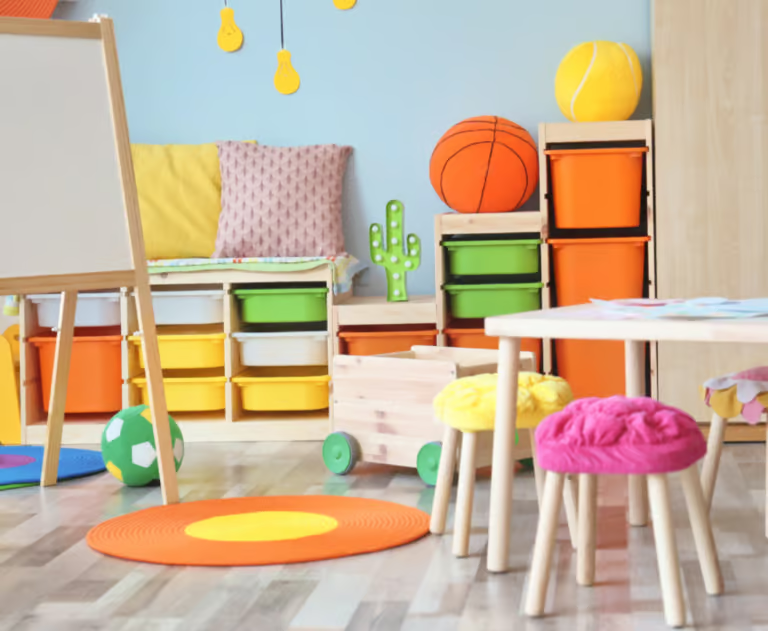
When classroom resources have a clear place to belong, everyday routines can feel simpler for both teachers and students. Book tubs and school tubs provide an easy way to keep frequently used materials organised, accessible and ready when they are needed.
Rather than having loose supplies spread across shelves, cupboards and desks, tubs allow resources to be grouped and stored in a way that suits the classroom. Colour-coded storage can also add a useful visual element, helping make different resources easier to identify at a glance.
When choosing storage tubs, consider their capacity, durability, stackability, ease of handling and suitability for shelves or cupboards. Smaller containers may work well for individual activities, while larger tubs can accommodate shared resources or bulkier materials.
The COS range includes Plastic Book Tubs in a variety of colours, alongside book boxes, magazine boxes, tote trays, connector tubs and craft caddies, offering different options for classroom storage and organisation.
A well-organised storage system can reduce time spent searching for materials and encourage students to take responsibility for keeping their learning spaces tidy.
5. Labels for Easy Identification of Classroom Resources
A well-organised classroom works best when everyone knows where things belong. Labels are a simple way to bring structure to busy learning spaces, making everyday resources easier to identify, access and return.
Clear labelling can help create consistent systems across tubs, trays, shelves, folders and shared storage areas. It can also encourage students to take greater responsibility for classroom routines by making it easier to find what they need and return materials to the right place.
For teachers and school staff, a clear labelling system can make shared resources easier to navigate and help maintain organisation as materials move in and out of the classroom. For younger students, labels can combine words with pictures or symbols. For older students, subject names, resource categories and colour-coded systems may be more appropriate.
Sometimes, the simplest systems make the biggest difference. When everything has a clearly marked place, keeping the classroom organised becomes part of the everyday routine.
6. Exercise Books for Everyday Learning and Practice
Even in increasingly digital classrooms, exercise books remain an everyday learning essential, giving students a dedicated space to record ideas, practise skills and build knowledge over time.
From early handwriting and mathematics to science and project work, different ruling styles and formats support a range of subjects, year levels and learning needs. The COS range includes single-ruled, dotted-thirds, grid and graph, botany, project and subject-specific exercise books.
When selecting exercise books for your school, consider paper quality, page layout, binding, size and year-level requirements. Standardising key formats across classes or departments can also simplify ordering, stock management and replenishment.
7. Display Books for Protecting and Presenting Student Work
In a busy classroom, loose worksheets and documents can quickly become difficult to keep track of. Display books offer a simple way to bring everything together, keeping important materials organised, protected and easy to access throughout the school day.
For students, display books can help keep worksheets, reference materials and learning activities together in a clear sequence, making it easier to revisit previous work when needed. Teachers can use display books to organise assessment samples, student portfolios, reference materials, project work and subject resources. They are also useful for keeping frequently consulted documents together in one place.
The clear pockets also keep materials visible while helping protect pages from everyday handling, making display books particularly useful for documents that need to be referenced regularly.
The COS range includes A4 and A3 display books in a variety of colours, pocket capacities and refillable or fixed formats, providing options for different classroom requirements.
When selecting display books, consider sleeve capacity, cover durability, portability and whether the contents need to be updated regularly. For materials that change frequently, a format that allows pages to be added or removed may be particularly useful.
How Can Schools Choose the Right Classroom Supplies?
For school procurement teams, education departments and government purchasing officers, selecting classroom supplies involves more than comparing prices. Products should meet practical requirements, suit the intended learning environment and offer value over their useful life.
Before placing an order, consider the following questions:
Does the product meet classroom requirements? Check dimensions, capacity, compatibility and intended use before purchasing.
Can it be reused? Mini whiteboards, suitable laminated resources and durable storage tubs may be used repeatedly when maintained appropriately.
Is it easy to organise? Labels, stackable containers and clearly categorised resources can simplify storage and retrieval.
Will it last? Consider construction quality, expected frequency of use and replacement requirements.
Can supplies be standardised? Consistent product choices across classrooms may simplify ordering, replenishment and inventory management.
Is the purchase practical for the school budget? Compare upfront cost, expected lifespan, consumable requirements and ongoing maintenance.
Are sustainability considerations relevant? Assess packaging, material choices, durability and opportunities to reduce unnecessary waste.
Schools may also benefit from consolidating suitable purchases through a supplier that offers a broad range of classroom and office essentials. Depending on the school’s procurement arrangements, this can help simplify ordering and make it easier to manage recurring requirements across departments or campuses.