


Creating a reading corner sounds simple, just add a few books, a chair and perhaps a colourful poster, and you’re done. Yet many reading spaces quickly become neglected, collecting dust rather than readers. The difference between a reading corner that people admire and one they actually use comes down to thoughtful design, accessibility and purpose.
Whether you’re setting up a classroom nook, refreshing a library space or creating a quiet corner in an office break room, the principles remain the same, a welcoming, organised and engaging environment makes reading far more inviting.
Why Reading Corners Matter?
The most successful reading corners should be easy to access, visually inviting and thoughtfully organised. Readers should feel naturally drawn to the space without needing encouragement or instruction. When books and literacy resources are well presented and regularly refreshed, people are more likely to develop positive reading habits and return frequently.
For children, dedicated reading corners spark curiosity and encourage independent learning. They provide a welcoming environment where young readers can explore stories at their own pace, strengthening language development, vocabulary and comprehension along the way.
For adults, reading spaces can provide moments of mindfulness, improve concentration and encourage continuous learning. Workplace reading corners are increasingly being used to support employee wellbeing, offering a quiet retreat during busy days.
1. Start With the Right Location
The perfect reading corner begins with the perfect spot. Where you place it can make all the difference in how often people use and enjoy the space.
In schools, choose an area that offers both comfort and connection. Children should feel free to explore books independently without feeling separated from the rest of the classroom. Reading spaces that are visible and naturally woven into daily activities are often more inviting than those tucked away in corners.
Libraries can benefit from creating smaller, themed reading zones tailored to different age groups or interests. Pairing comfortable seating with natural light helps create a welcoming atmosphere that encourages visitors to linger, browse and become absorbed in a good book.
In office environments, thoughtfully designed reading spaces can transform break rooms into places of inspiration and relaxation. When books, magazines or professional resources are easy to access, employees are more likely to enjoy a few moments of reading during lunch breaks or quieter parts of the day.
Whatever the setting, pay close attention to lighting, noise levels and accessibility. A space that is too noisy or poorly lit can quickly discourage readers, while thoughtfully positioned furniture and easily reachable resources help ensure everyone feels welcome and included.
2. Prioritise Comfort Without Creating Clutter
Comfort encourages people to stay longer and return more often. Soft seating options, stools, cushions, ottomans, or ergonomic chairs can make a significant difference depending on your setting.
Schools might incorporate floor cushions or low seating that allows students to settle comfortably with their chosen books. Workplace reading spaces benefit from supportive chairs that complement existing furniture or lounge, while providing an opportunity for employees to step away from their desks.
At the same time, avoid overcrowding your reading corner with excessive decorations or too many resources. While colourful displays can be engaging, clutter can feel overwhelming, particularly for emerging readers or busy professionals seeking a moment of quiet during the day.
3. Book Storage Work Harder
One of the most common reasons reading corners become underused is poor organisation. When readers struggle to find materials that interest them, they’re less likely to engage regularly.
Arrange books by age group, reading level, genre or topic so readers can quickly find something that matches their interests. Clear organisation also makes it easier to rotate books throughout the year and keep displays fresh.
Practical storage solutions help keep books tidy, accessible and inviting. Book tubs, book boxes, storage boxes, tote trays, magazine holders and stacking drawers are ideal for separating collections while making resources easy to browse and maintain.
For younger readers, display books face-forward wherever possible. Seeing the front cover encourages exploration and can significantly increase interest, especially among reluctant readers.
4. Label Everything Clearly
Clear labels make a reading corner easier for everyone to navigate. Using a labelling machine to create durable labels for shelves, storage boxes and book tubs helps keep resources organised and encourages readers to independently find and return books. Colour-coded labels can also identify genres, reading levels, age groups or subject areas, creating a simple system that’s easy to follow.
Keeping bookmarks or page markers nearby is another thoughtful addition, allowing readers to save their place and continue reading the next time they visit.
5. Protect Your Books
Books in shared spaces experience plenty of wear and tear, making protection an important part of maintaining your reading corner. Covering books with clear adhesive book covering or slip-on book covers helps protect them from spills, scratches and everyday handling while keeping the front cover visible for easy browsing.
Protective book covers also help collections stay cleaner and look more professional for longer. In classrooms, they can be used to identify reading levels or different classroom collections, while libraries and workplaces benefit from resources that remain attractive despite frequent use. Well-maintained books also encourage readers to treat shared resources with care and respect.
6. Add Useful Stationery
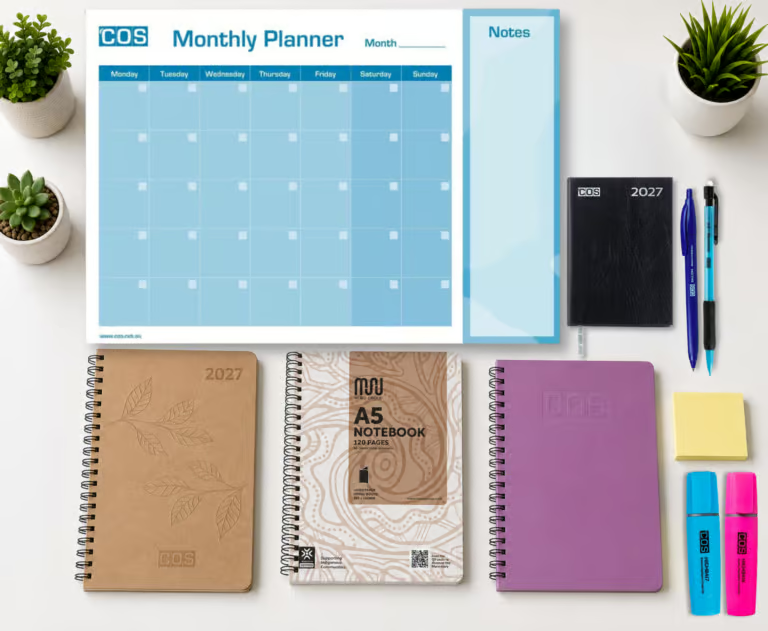
Adding a small selection of stationery transforms a reading corner into an interactive learning space. Keeping notebooks, reading journals, folders, display books, sticky notes, pens and pencils within easy reach encourages readers to record favourite quotes, write book reviews, complete literacy activities or simply reflect on what they’ve read.
These simple resources support literacy development while helping keep activities organised. A dedicated stationery area also makes the reading corner feel more purposeful, inviting readers to spend a little longer reading, writing and engaging with books.
7. Encourage Reading Habits Through Rotation
Regularly rotating books and resources keeps the space interesting and encourages readers to return.
Introduce monthly themes based on genres, seasonal events, Literacy & Numeracy Week, favourite authors or curriculum topics. You can also feature staff recommendations or student book reviews to inspire new reading choices and create a sense of community.
Instead of displaying every book at once, showcase a smaller selection and rotate titles throughout the year. This keeps the space organised, prevents readers from feeling overwhelmed and gives more books a chance to be discovered. A reading corner that evolves with fresh books and displays is far more likely to become a well-loved destination.
8. Design for Different Age Groups
Early learners can benefit from face-forward book displays, picture labels and comfortable floor seating that encourages independent exploration. Durable storage solutions and simple literacy activities can further support emerging readers as they develop confidence.
Primary students often enjoy themed collections, reading journals and literacy challenges that encourage both independent and collaborative learning experiences. Flexible seating arrangements can accommodate varying reading preferences and learning styles.
Secondary students typically appreciate quieter environments that promote autonomy and independent reading. Genre-specific collections and practical organisational systems can support both recreational reading and academic requirements.
Adult readers, particularly within workplace settings, generally value comfortable seating, minimal distractions and access to professional development or wellbeing resources. Providing practical organisational systems ensures the reading corner remains both functional and inviting.
9. Maintaining a Reading Space Throughout the Year
Creating a reading corner is only the beginning. Regular maintenance ensures it remains useful, welcoming and relevant.
Monthly maintenance activities may include rotating featured titles, reorganising storage boxes, updating labels and refreshing literacy activities. Cleaning book covers and reviewing resource relevance can also help maintain the overall presentation of the space.
Encourage feedback from readers regarding which resources are most valuable and which additions they would like to see introduced. Small adjustments often produce significant improvements in engagement.
Reading spaces should evolve alongside their communities rather than remaining fixed installations. A reading corner that adapts to changing interests and needs is far more likely to remain actively used throughout the year.
Whether in a classroom, library or office break room, successful reading spaces make literacy support feel effortless and inviting. Practical additions such as book covers, storage boxes, labels, folders, notebooks and display books contribute significantly to both functionality and engagement.
By prioritising comfort, organisation and regular refreshment, even the simplest reading corner can become a space people genuinely look forward to visiting. When readers feel welcomed and supported, books naturally become part of everyday life and that’s when reading habits truly flourish.