


To encourage respectful behaviour in schools and workplaces, leaders need to define what respect looks like, model it consistently, make expectations visible, create safe ways to speak up, and reinforce positive behaviour through everyday communication. Policies matter, but culture is shaped by repeated actions: how people listen, respond to mistakes, include others and address concerns.
Respect is not simply the absence of bullying. It is the presence of dignity, fairness, inclusion and psychological safety. A respectful school culture helps students learn, participate and build healthy relationships. A respectful workplace supports wellbeing, collaboration and confidence. In both settings, people need to know what behaviour is expected, trust that concerns will be taken seriously and see leaders following the same standards they ask of others.
Why respectful culture deserves attention
Evidence shows why prevention must be active. The Australian Institute of Health and Welfare reports that 7 in 10 children aged 12 to 13 experienced at least one bullying-like behaviour in a year, based on 2016 longitudinal data. It also reports that 1 in 5 Year 4 students experienced bullying weekly in the 2015 Trends in International Mathematics and Science Study. Among young people aged 15 to 19, 21% reported bullying in the previous 12 months in 2019.
Workplaces face similar risks. Safe Work Australia research found that 9.4% of Australian workers reported bullying in the previous six months under the Australian definition. The most common harassment reported was being sworn at or yelled at, experienced by 37%, followed by humiliation in front of others at 24%. More recent compensation data shows that mental health conditions accounted for 9% of serious workers’ compensation claims in 2021 to 2022, with work-related harassment or bullying and work pressure together accounting for 52.2% of approximately 10,000 serious mental stress claims.
Define respectful behaviour in practical terms
Broad statements such as “be respectful” are difficult to apply unless they are translated into observable actions. Schools and workplaces should explain that respect includes listening without interruption, using inclusive language, giving constructive feedback, acknowledging different perspectives, respecting personal boundaries and challenging harmful behaviour safely.
Make these expectations easy to find. A short behaviour charter can be displayed on noticeboards, included in induction materials and revisited during team or class discussions. Posters work best when they use plain language and provide examples, such as “listen to understand”, “include people in decisions that affect them” and “raise concerns without blame”. Keep messages current by rotating examples, student work, team commitments or campaign resources rather than allowing displays to become background decoration.
Model the culture you expect
People take cues from those with authority. Principals, teachers, managers and team leaders reinforce culture through their tone, decisions and responses under pressure. Leaders can model respect by inviting quieter voices into conversations, crediting ideas, explaining decisions, apologising when they get something wrong and addressing disrespect promptly.
Consistency matters more than one-off campaigns. If a poster says everyone belongs but jokes or exclusions are ignored, the informal message will outweigh the formal one. Leaders should also distinguish healthy disagreement from personal attack. Respectful cultures do not avoid difficult conversations. They make those conversations specific, fair and focused on behaviour, impact and solutions.
Build communication routines that include everyone
Inclusion becomes real when people have meaningful opportunities to contribute. Use structured check-ins, rotating facilitators, anonymous question channels and clear meeting or classroom protocols. Ask open questions, allow thinking time and avoid relying only on the most confident speakers. Written reflection can help people who communicate more comfortably in private.
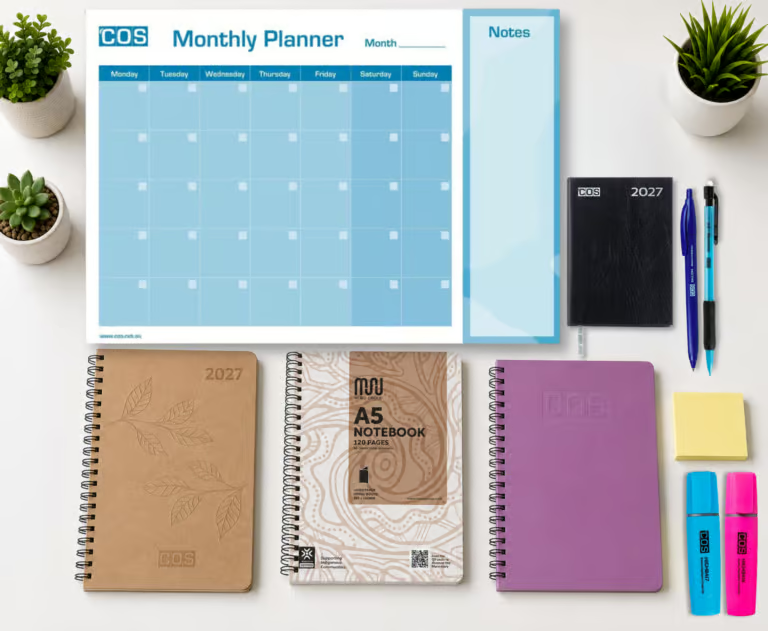
Simple stationery can support these routines. Notebooks and reflection journals give students or employees space to record concerns, ideas and goals. Sticky notes can gather input without attaching status to the speaker. Planners and diaries can schedule regular wellbeing check-ins, inclusion activities, professional learning and review dates. The tools are most effective when each activity has a clear purpose, and someone is accountable for responding.
Make bullying prevention visible and ongoing
Bullying prevention should explain what bullying is, what it is not and what people can do if they experience or witness it. In Australian workplaces, workplace bullying is generally defined as repeated and unreasonable behaviour directed towards a worker or group that creates a risk to health and safety. Reasonable management action carried out reasonably is not bullying. In schools, bullying also involves repeated behaviour and an imbalance of power, and it may be physical, verbal, social or online.
Teach people how to respond as active bystanders. Depending on the situation, they might interrupt safely, redirect the conversation, check in with the person affected, record what occurred or report it through the appropriate channel. Publish reporting options in more than one place, including handbooks, intranet pages and shared noticeboards. Explain who receives a report, what happens next, how confidentiality is handled and where support is available.
Use physical spaces to reinforce belonging
The environment communicates who is valued before a lesson or meeting begins. Review posters, signage, examples, images and shared resources. Do they represent the school or workforce accurately? Are materials readable, accessible and placed where people actually spend time? Can everyone see themselves reflected without being reduced to a token image or annual event?
Invite students and employees to help create displays about values, respectful communication or community commitments. Providing stationery and display supplies supports co-design and gives people ownership of the message. Review displays regularly so they remain relevant, accurate and connected to current priorities.
Respond early, fairly and consistently
When concerns arise, the response shapes future trust. Listen without dismissing the person’s experience, clarify immediate safety needs, explain available options and document agreed next steps. Avoid promising outcomes before the matter is assessed. Apply procedures consistently while recognising that reasonable adjustments or additional support may be needed.
Minor issues can sometimes be resolved through a facilitated conversation, coaching or a reset of expectations. Serious, repeated or unlawful behaviour requires formal escalation. The Australian Human Rights Commission’s Respect@Work resources emphasise proactive steps to create safe, inclusive and respectful workplaces. Whatever pathway is used, communicate timeframes, protect against retaliation and check in afterwards.
Measure culture, not just incidents
A low number of reports does not automatically mean a respectful culture. It can also indicate that people do not know how to report or do not trust the process. Use short pulse surveys, focus groups and anonymous feedback to ask whether people feel included, whether expectations are clear, whether leaders act consistently and whether people feel safe raising concerns.
Track actions as well as perceptions. A shared planner can record training, policy reviews, communication campaigns and follow-up dates. Review patterns across locations, teams, year groups and types of concern, while protecting privacy. Report back on what was heard and what will change. Closing the feedback loop shows that participation leads to action.
A practical checklist for leaders
- Define respectful behaviour with specific examples.
- Model listening, fairness, inclusion and accountability.
- Display expectations in visible, accessible locations.
- Create several safe reporting and support pathways.
- Teach bystanders how to act safely.
- Schedule regular check-ins, learning and policy reviews.
- Use feedback to improve systems and communicate progress.
Respect grows through everyday practice
Encouraging respectful behaviour is not a single lesson, poster or policy launch. It is a continuous culture and communication practice. When expectations are clear, leaders model them, people can speak up safely and visible tools reinforce the message, schools and workplaces are better equipped to prevent bullying and strengthen inclusion. Noticeboards, posters, planners, diaries and stationery cannot create culture on their own, but they can make commitments visible, organise consistent action and help respectful behaviour become part of the everyday environment.