

Handwriting is an essential everyday skill for students, teachers, and professionals. Writing in journals and planners, filling out forms, note-taking, and writing down tasks are some of the common activities many people do. That’s why it’s important to have proper handwriting support that makes the job easier.
To celebrate World Calligraphy Day, we’ve created a practical guide that discusses writing tools and techniques to improve penmanship, convenience in composing, speed, and legibility.
Using the Right Pens and Pencils
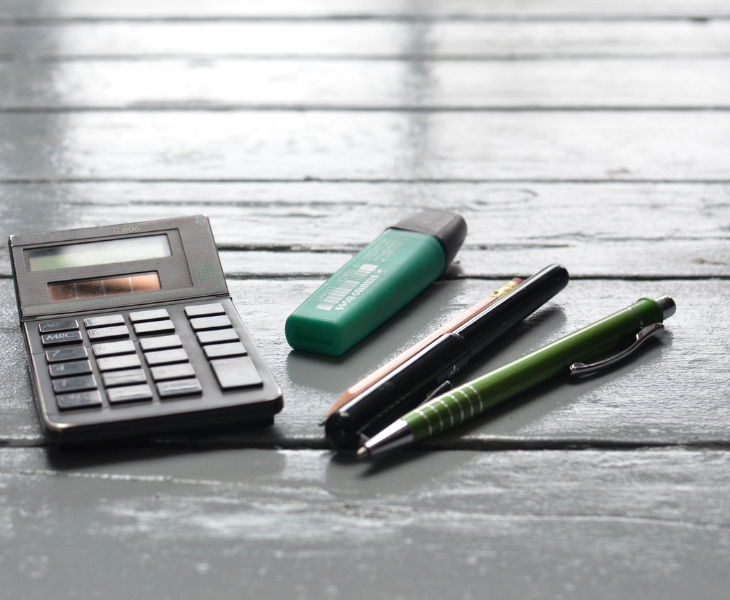
Using the right tool is key to a comfortable writing experience, especially if it involves long sessions. Pens and pencils are designed for different writing styles and purposes.
Pens
- Gel pens – allow a smooth glide and provide a bold, structured colour.
- Rollerball pens – have thinner ink flows that require less pressure, ideal for long writing tasks.
- Ballpoint pens – are the most reliable among all types as the ball is made for a slow and even ink flow system.
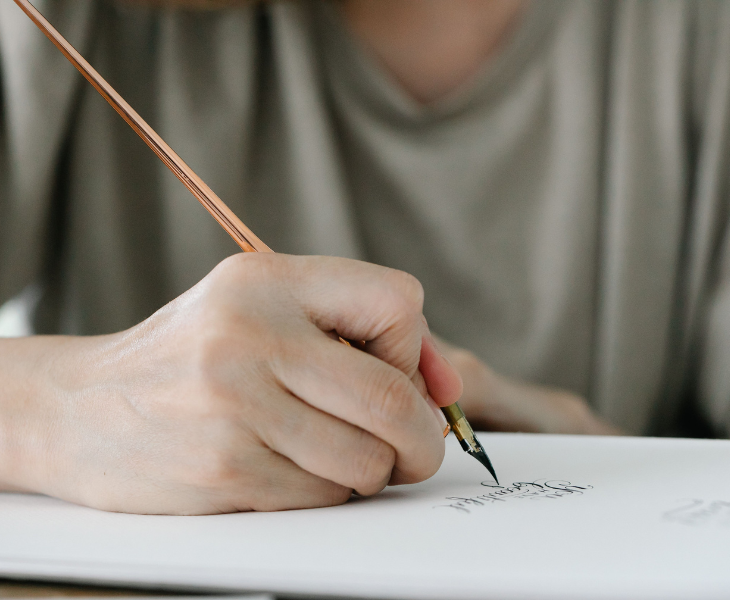
- Fountain pens – are the traditional and expensive type as it’s mostly used for calligraphy with its expressive and naturally changing strokes based on pressure.
- Fineliner pens – are made for precise writing as its fine tip offers consistent and controlled strokes.
Pencils
With pencils, there are a few categories that need to be considered depending on the purpose:
By Material
- Graphite – is the most common type and is made of graphite and clay for note-taking and writing.
- Colored – is oil- or wax-based for illustrations and colouring.
- Charcoal – is best for sketching, shading, and art.
- Construction – has a thick graphite body for marking rough surfaces, such as concrete and wood.
By Hardness Grade
- Hard (H) – creates finer lines with less smudging mainly for technical writing.
- Balanced hardness and blackness (HB) – is the everyday pencil that is common for writing.
- Soft/black (B) – provides bolder and darker lines but smudges easily for shading and sketching.
By Mechanism
- Wooden – is the classic pencil we know that has a range of hardness grades, ideal for anyone.
- Mechanical – is the retractable type with consistent line widths, popular with admin staff and students.
- Clutch/lead holder – feels like the wooden type but is refillable, great for drafters and artists.
The best way to really know which tool fits every need is to test several pens and pencils, rather than assuming that one type suits multiple purposes.
Getting the Paper That Works Well with Your Pen or Pencil
Matching the right paper with the right pen or pencil can significantly improve handwriting. Neater and more legible penmanship can be seen right away with the right handwriting support.
Paper quality primarily affects feathering, smudging, ink flow, and the overall writing experience. That’s why it’s essential to understand which paper works well with a specific pen or pencil.
Here’s a summary table of the best matches:
| Paper | Pen and/or Pencil |
|---|---|
| Smooth and thin paper (standard printer paper) | Fineliner pens, ballpoint pens, and HB pencils |
| Slightly smoother with consistent-weight paper (ruled paper) | Ballpoint pens, gel pens, mechanical pencils, and HB pencils |
| Smooth and slightly heavier paper (bond paper 90-120gsm) | Rollerball pens, HB pencils, ballpoint pens, and gel pens |
| Smooth and coated paper (premium paper) | Rollerball pens and fountain pens |
| Heavyweight paper (cardstock) | Gel pens, colored pencils, and fineliner pens |
| Textured paper | Charcoal pens and colored pencils |
| Very thin and lightweight paper (newspaper-style paper) | Ballpoint pens and HB pencils |
Simple Habits to Improve Handwriting
You don’t really need beautiful, artistic handwriting like calligraphy for your everyday writing tasks. The aim is to consistently have clean and legible penmanship, and including simple techniques to improve handwriting makes a huge difference.
- Before you start writing, do some arm stretches and light wrist and hand exercises.
- Relax your grip and write slowly.
- Practise applying pressure from your shoulders to your fingers to deliver grip force evenly.
- Keep consistent letter size.
- Relax your shoulders and wrists.
- Take short writing breaks.
You can also practise clean and legible penmanship using lined exercise books a few times per week.
Practical Handwriting Accessories to Consider
Adding helpful handwriting accessories makes the task even lighter and easier. These writing aids support daily productivity and/or help maintain pleasing penmanship.
- Pencil cases for protecting pencil and pen quality
- Erasable pens, which are great for the handwriting practice exercises
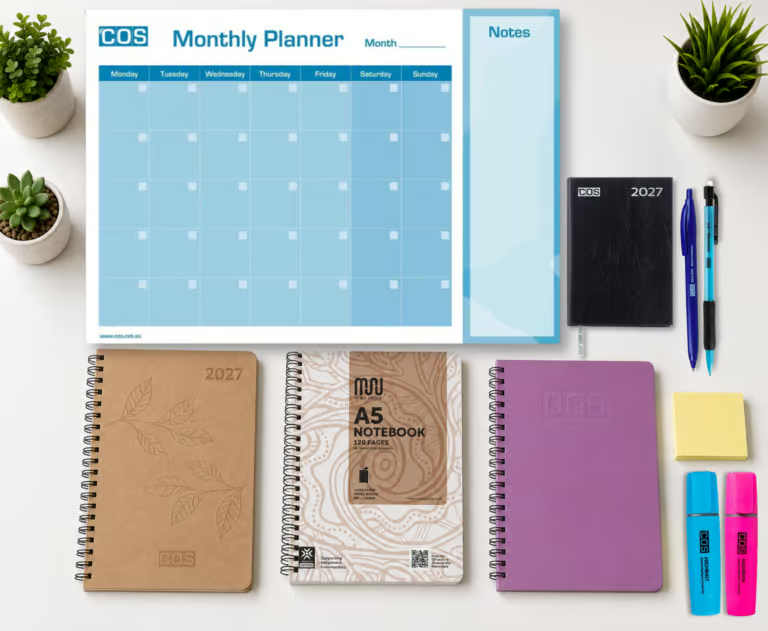
- High-quality notebooks for cleaner penmanship and minimal bleed-through
- Pencil grips for proper tool holding and less hand fatigue
- Highlighters to organise notes
- Desk organisers for ease of writing supply access
Handwriting Support Tools for Easier Writing
Let this year’s World Calligraphy Day be a meaningful reminder that enhancing one’s handwriting can be easily done with the right supplies and methods. You can enjoy watching artistic writing but don’t need to develop the skill. Great penmanship can be honed with the proper tools and accessories, practice, discipline, and helpful techniques.