

Building a sustainable office kitchen requires a series of consistent, practical changes. It’s not a one-time activity that magically conserves kitchen supplies. A sustainable office shouldn’t be limited to reducing consumption of energy and water but should extend to kitchen supplies.
From food packaging and kitchen wipes to dishwashing detergent, cleaning products, and everyday supplies, workplaces use a wide range of consumables. If pantry planning is poor, it can result in expired or unused food, unnecessary cleaning product consumption, or overflowing waste and recycling bins.
However, with simple and small changes to keep the area sustainable, the pantry can be more efficient in reducing food waste at work. Today, we’re giving you some simple yet effective tips to minimise waste while allowing efficient everyday operations.
1. Begin with Smart Stock Planning
Creating a sustainable office starts with planning the right office kitchen supplies. Check what employees are actually using, so you have an idea which items are useful before ordering. Try reviewing the frequently purchased supplies, such as the food, cups, coffee, tea and even cleaning products.
Avoid purchasing bulk products just because larger quantities seem to be economical unless needed. What you can do instead is set minimum and maximum stock levels for frequently used kitchen supplies to improve budget control. Buy items that match the actual consumption and not assumptions.
It’s also important to monitor supplies’ expiry dates, so you can organise items with a “first in and first out” method. Seasonal changes, such as public holidays and work-from-home periods, are another thing to consider as well since this can affect consumption frequency.
2. Use Reusable Containers
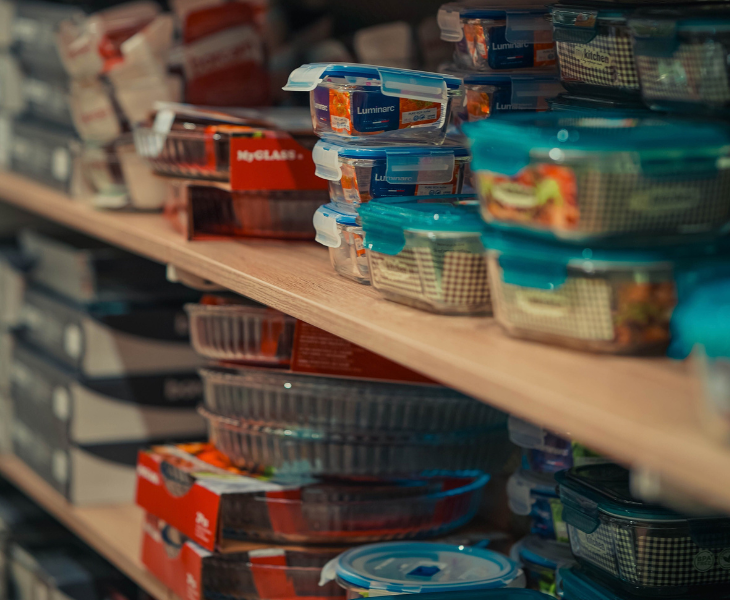
Good food storage containers are essential in reducing edible waste at work. You can use reusable food containers to keep the freshness of ingredients, shared food, and leftovers. Label them with dates accordingly and choose the right sizes to maximise space. Reusable containers also minimises reliance on takeaway packaging, wraps, and plastic bags.
Appropriate food handling is extremely important in health and education environments. That’s why establishing simple guidelines to properly store food and leftovers and keep hygiene is a must.
3. Encourage Using Reusable Cups and Smart Coffee Supplies

The coffee station alone can potentially generate a huge amount of disposable waste over time. Instead of using plastic or paper cups, encourage employees to bring their own coffee mugs or tumblers. It’s important for them to understand that you want a more sustainable office kitchen; that’s why you’re encouraging them.
Monitor coffee, tea, sugar, or milk supplies to ensure you don’t over-order. When restocking coffee supplies, make sure to purchase the appropriate quantity for your workplace demand. Organise the items properly as well, so they are easy to manage and find.
These may be just small changes, but with consistency, you lower food waste at work effectively.
4. Promote Effective Cleaning
When there’s food, there’s also cleaning. Achieving more efficient practices requires better management. You can create cleaning guidelines for your pantry to prevent unnecessary product use. It can include using kitchen wipes for quick clean-ups and following manufacturer instructions for dishwashing chemicals.
For large workplaces, dishwashing liquid bulk purchasing is ideal if it makes environmental and operational sense. However, it’s essential to have a balance of storage capacity and real consumption.
It’s also crucial to note that workplaces, especially health and education settings, should still follow the required hygiene and infection-control guidelines. Sustainability measures should only complement the required guidelines.
5. Create Easy Waste Management
Even if you have a waste separation system in your pantry, unnecessary garbage can still happen if employees don’t see proper labelling of bins. Waste and recycling labels should have clear and large texts and icons. Place the bins in visible locations, and use the right liners for each waste type.
Be consistent in adding and managing waste bins across the workplace, especially if you have multiple locations. This can correct and manage waste disposal more effectively.
6. Make Sustainable Practices a Workplace Routine

Making sustainable practices a part of the workplace culture is key to maintaining sustainability. These practices shouldn’t be a one-off initiative. Start with assigning a small unit to monitor and check food and cleaning supplies, review items being thrown away, and monitor over-ordered items and frequently wasted food.
It’s also helpful to ask employees for their feedback on the kitchen practices. This gives you a detailed idea of what works and doesn’t.
Operational Strategy Equals Office Sustainability
Adding recycling bins isn’t the only sustainable practice for an office kitchen. Sustainability is a built operational strategy that involves a series of practices that should be consistently observed by all.
Planning stocks, using reusable food containers and coffee cups, promoting effective cleaning, and creating easy waste management are just some of the simple yet impactful changes you can make. You can add more where you see fit. The ultimate goal at the end of the day is to reduce waste while having efficient workplace operations.
Frequently Asked Questions
What percentage of workplace waste comes from office kitchen supplies?
There is no current exact data for kitchen waste percentage in Australian workplaces. However, the 2024-2025 financial year data published by the Department of Climate Change, Energy, the Environment and Water shows that the biggest percentage came from commercial and industrial sectors (43%). This only means more workplaces should start implementing sustainable practices to reduce waste.
How often should office kitchen supplies be reviewed?
A monthly office kitchen supply review is helpful, especially for frequently used items. It can consistently monitor consumption patterns, prevent expired supplies, and identify overstocked items.
How does a sustainable office kitchen help reduce costs?
Keeping a sustainable office can minimise product use, avoid over-purchasing, and reduce food waste, enhancing inventory management.