


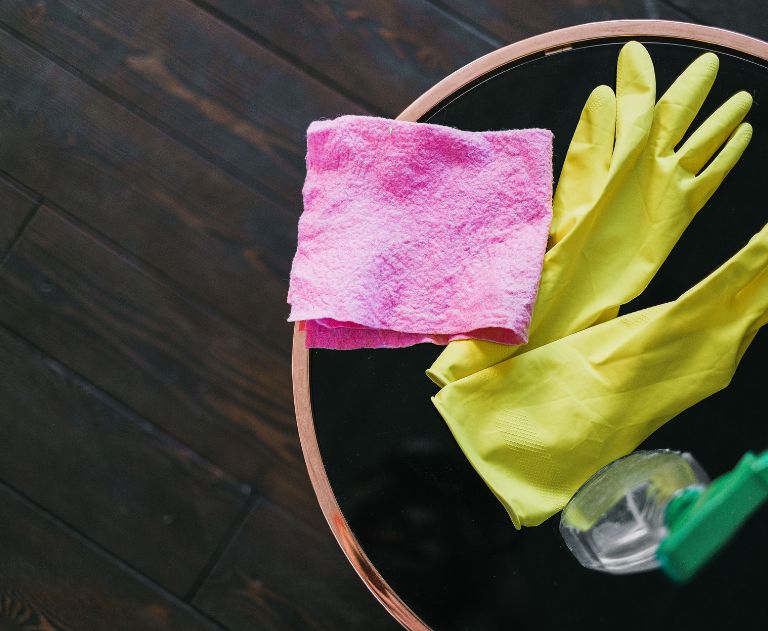
What Is a Workplace Spring Cleaning Checklist?
A workplace spring cleaning checklist is a structured, room-by-room guide for decluttering, deep cleaning, restocking, and reorganising an office, school, or other workplace setting in one focused effort. Unlike daily cleaning routines, a spring clean addresses the accumulated disorder that builds up over months: expired supplies, overflowing storage, grimy high-touch surfaces, and waste systems that have quietly stopped working.
Done well, it takes a few hours and pays off for months. Here is how to approach workplace spring cleaning systematically.
Why Spring Clean Your Workplace?
A cluttered, disorganised workspace increases cognitive load, reduces focus, and raises stress levels for the people working in it. Conversely, a clean, well-organised office environment correlates with higher productivity, lower absenteeism, and improved team morale. The hygiene aspect adds another layer, with high-touch surfaces that are not regularly disinfected create real infection risks for everyone involved.
Spring is also a natural restocking moment. Supplies run low, storage fills up, and systems that were set up at the start of the year need refreshing. A scheduled annual reset is far easier than addressing problems reactively when something runs out or someone finally breaks under the clutter.
Room-by-Room Spring Cleaning Guide

Desks and Individual Workstations
Start here because desks are where most daily mess originates and where a clean reset has the most immediate impact on individual wellbeing.
Declutter first. Clear everything off the surface and sort into keep, relocate, or discard. Dried out pens, old dated planners, broken equipment, and uncollected documents from a year ago should not make it back onto the desk.
Clean all surfaces. Surface wipes are the most practical tool for desks, keyboards, mice, and phones. A single antibacterial wipe across a standard keyboard removes thousands of bacteria in under a minute. For deeper cleaning of screens and electronics, follow device-safe cleaning protocols to avoid damaging sensitive components.
Organise what remains. Desk organisers and accessories give everything a home: pen holders, document trays, cable management, and drawer dividers reduce the visual noise that makes a desk feel chaotic even when it isn’t particularly dirty. Label storage clearly so items return to the right place rather than accumulating wherever they land.
Shared Spaces: Breakrooms, Staffrooms and Meeting Rooms
Shared spaces accumulate mess faster than individual desks because no one person owns them. They also tend to have the highest concentrations of germs, given the number of hands that touch surfaces throughout the day.
Breakrooms and kitchens. Clear the fridge of expired items, wipe down all surfaces with cleaning sprays or antibacterial wipes, and replace bin liners in all waste and recycling receptacles. Check that recycling bins are clearly labelled and in the right locations. Restock hand towels and hand soap at every handwashing point.
Meeting rooms. Wipe down tables, chairs, and all shared equipment with microfibre cloths and disinfectant. Clean whiteboards and restock markers and erasers. Check that the bin is emptied and that the room is ready to use without requiring preparation from the next person who books it.
Staffrooms. Refresh the noticeboard, clear out outdated signage, and run storage containers through a wipe-down. Donate or discard uncollected items that have been sitting unclaimed for more than a fortnight.
Bathrooms and Hygiene Stations
High-traffic bathrooms require more frequent cleaning than a quarterly reset, but spring cleaning is the right moment to address the things daily cleaning misses.
Check and replace dispensers for soap, hand towels, and toilet tissue. Wipe down all surfaces including door handles, tap fittings, and hand dryer buttons with antibacterial wipes or cleaning sprays. Ensure gloves are available for cleaning staff undertaking this work. Replace bin liners and check that bins with lids are functioning properly.
Storage Rooms and Supply Areas
Storage areas become the default destination for everything without an obvious home, which means they fill quickly and become difficult to navigate.
Sort through supplies and discard anything expired, broken, or genuinely no longer needed. Consolidate partially used items. Label all storage containers and shelves clearly so that supplies are easy to find and restock. For offices with significant document storage, a shredder makes short work of outdated paper records that should not simply be binned.
Restock any supplies running low so you’re not starting the new season short on essentials.
Waste and Recycling Systems
A spring clean is the right moment to audit whether your waste systems are actually working. Are bins in the right locations? Are they clearly labelled? Are recycling bin liners the right size and material for each bin? Are compostable liners being used in organic waste streams?
For offices, schools, and healthcare settings with organic waste streams, getting separation, labelling, and collection right is as important as having the bins in the first place.
Resetting for the Season Ahead
A workplace spring clean isn’t a one-person job or a single afternoon’s work. It’s most effective as a shared, scheduled effort where each area has a clear owner and a realistic timeframe. Block time in the calendar, assign zones to teams or individuals, and treat the reset as the operational investment it is rather than an optional extra.
For smart workplace organisation strategies that keep the space functional well beyond the spring clean, the principles are consistent: everything has a home, storage is labelled, waste systems are visible, and restocking happens before things run out rather than after.
A clean workspace is the baseline from which good work becomes possible.